rachnamishra9956@gmail.com

How Content Creation Helps Companies Grow Online

How Content Creation Helps Companies Grow Online Effectively.


In today’s competitive digital environment, understanding how content creation helps companies grow online is essential for every business aiming to build a strong presence. Content creation is no longer just about writing blogs or posting on social media—it is a strategic tool that drives traffic, builds trust, and converts audiences into loyal customers. Companies that invest in quality content consistently experience better visibility, improved engagement, and higher revenue over time. Content Creation Helps Companies Grow

Discover how content creation drives visibility, engagement, and long-term business growth in the digital landscape.

When businesses focus on how content creation helps companies grow online, they begin to realize that content acts as the foundation of digital marketing. From websites to social media platforms, every touchpoint relies on valuable and relevant content to attract and retain customers.


1. Builds Strong Online Visibility and SEO Rankings

One of the biggest reasons how content creation helps companies grow online is its impact on search engine optimization (SEO). High-quality content filled with relevant keywords helps websites rank higher on search engines, making it easier for potential customers to find your business.

Search engines prioritize fresh, informative, and engaging content. When companies regularly publish blogs, articles, and web pages, they increase their chances of appearing in search results. This directly improves organic traffic and brand exposure.

Additionally, optimized content helps target specific audiences through long-tail keywords. This means businesses can reach users who are actively searching for their products or services. Over time, consistent content creation builds authority and trust, which further boosts rankings.


2. Enhances Brand Awareness and Authority

Another key factor in how content creation helps companies grow online is the ability to establish brand identity and authority. When companies share valuable insights, tips, and industry knowledge, they position themselves as experts in their field.

Content such as blogs, videos, and infographics allows businesses to communicate their values, mission, and expertise. This builds credibility and makes customers more likely to trust the brand. A strong content strategy ensures that your business remains visible and relevant in the minds of your audience.

Moreover, consistent messaging across all platforms strengthens brand recognition. When users repeatedly see useful and engaging content, they are more likely to remember and choose your company over competitors.


3. Drives Customer Engagement and Interaction

Understanding how content creation helps companies grow online also involves recognizing its role in customer engagement. Engaging content encourages users to interact with your brand through likes, shares, comments, and clicks.

Interactive content such as blogs, social media posts, and videos creates opportunities for two-way communication. Businesses can respond to comments, answer questions, and build relationships with their audience. This level of engagement increases customer loyalty and satisfaction.

Furthermore, engaging content keeps users on your website longer, reducing bounce rates and improving overall user experience. This signals to search engines that your content is valuable, further boosting your rankings.


4. Generates Quality Leads and Conversions

A major advantage of how content creation helps companies grow online is its ability to generate leads and drive conversions. Informative and persuasive content guides potential customers through the buying journey.

For example, blog posts educate users about problems and solutions, while landing pages and product descriptions encourage them to take action. Call-to-action (CTA) elements within content direct users to sign up, subscribe, or make a purchase.

Content marketing also nurtures leads over time. By consistently providing valuable information, businesses build trust and keep their audience engaged until they are ready to convert. This results in higher-quality leads and better conversion rates.


5. Supports Long-Term Business Growth

When analyzing how content creation helps companies grow online, it is important to consider its long-term benefits. Unlike paid advertising, content continues to deliver results over time.

Evergreen content, such as guides and tutorials, remains relevant and continues to attract traffic for months or even years. This creates a sustainable source of leads and visibility without ongoing costs.

Additionally, content can be repurposed across multiple platforms. A single blog post can be transformed into social media posts, videos, or email newsletters, maximizing its value and reach. This efficiency makes content creation a cost-effective strategy for long-term growth.


6. Improves Customer Education and Trust

Another essential aspect of how content creation helps companies grow online is customer education. Informative content helps customers understand products, services, and industry trends.

When businesses provide clear and helpful information, they reduce confusion and build confidence among potential buyers. This transparency strengthens trust and encourages customers to choose your brand.

Educational content also reduces the burden on customer support teams by answering common questions in advance. This improves overall efficiency and enhances the customer experience.


Conclusion

In conclusion, understanding how content creation helps companies grow online is crucial for any business looking to succeed in the digital age. Content creation enhances visibility, builds brand authority, drives engagement, and generates leads. It also supports long-term growth by providing continuous value to both businesses and their audiences.

Companies that invest in strategic and consistent content creation are better positioned to stand out in a crowded market. By focusing on quality, relevance, and user intent, businesses can unlock the full potential of content marketing and achieve sustainable online growth.

How Content Creation Helps Companies Grow Online Read More »
How To Write Digital Marketing Content:

How To Write Digital Marketing Content: Engages, Converts, and Builds Brand Authority.

How To Write Digital Marketing Content That Engages, Converts, and Builds Brand Authority.

We all know content writing must be effective for marketing. Content is more than just putting words on a page—it’s about delivering the right message to the right audience at the right time. Good marketing content informs, engages, and persuades readers to take action. Whether it’s a blog, website copy, or social media post, the goal is to connect with your audience and guide them toward a decision. By understanding your audience, using clear strategies, and focusing on value, you can create content that not only attracts attention but also drives meaningful results.

A Step-by-Step Guide to Creating Content That Attracts the Right Audience and Drives Results.

In this time, where competition is seen in the digital world, content plays a crucial role in the success of any marketing strategy. Businesses rely on content to communicate their message, promote their products, and build relationships with customers. However, not all content is effective. Poorly written or irrelevant content can fail to capture attention and may even harm a brand’s reputation.

Writing marketing content requires a combination of creativity, strategy, and understanding of your audience. It involves crafting messages that resonate with readers while aligning with business goals. From choosing the right words to structuring your content effectively, every element plays a role in its success. This guide will help you understand how to write marketing content that stands out and delivers results.


1. Understand Your Target Audience:

The first step in writing effective marketing content is understanding who you are writing for. Knowing your audience helps you tailor your message to their needs, preferences, and interests.

Start by identifying your target audience’s demographics, such as age, location, and profession. Then, focus on their challenges, goals, and pain points. What problems are they trying to solve? What information are they looking for?  How To Write Marketing Content That Engages, Converts, and Builds Brand Authority. Writing effective marketing content is more than just putting words on a page

When you understand your audience, you can create content that speaks directly to them. This increases engagement and makes your content more relevant and impactful.


2. Define Your Purpose and Goals:

Every piece of marketing content should have a clear purpose. Are you trying to inform, educate, promote, or persuade? Defining your goal helps you stay focused and ensures your content delivers the desired outcome.

For example, a blog post may aim to educate readers, while a product page focuses on conversions. Setting clear objectives allows you to measure the success of your content and make improvements where needed.


3. Create Compelling Headlines

Your headline is the first thing readers see, and it determines whether they will continue reading. A strong headline grabs attention and clearly communicates the value of your content.

Use simple and powerful language, and focus on benefits rather than features. Headlines that address a problem or promise a solution tend to perform well.

For example, instead of writing Marketing Tips you could write “10 Proven Marketing Tips to Boost Your Sales. This makes the content more appealing and relevant.


4. Focus on Value and Relevance

Effective marketing content provides value to the reader. It should answer questions, solve problems, or offer useful insights.

Avoid creating content that is overly promotional or sales-focused. Instead, focus on delivering helpful and informative content that builds trust with your audience.

When readers find value in your content, they are more likely to engage with your brand and take action.


5. Use Clear and Simple Language

Clarity is key in marketing content writing. Avoid using complex words or jargon that may confuse your audience.

Write in a conversational tone that is easy to understand. Use short sentences and paragraphs to improve readability. This ensures that your message is clear and accessible to a wider audience.

Remember, the goal is to communicate effectively, not to impress with complicated language.


6. Incorporate SEO Best Practices

Search Engine Optimization (SEO) is essential for making your content visible online. By optimizing your content for search engines, you can attract more organic traffic.

Use relevant keywords naturally throughout your content, including in the headline, subheadings, and body text. However, avoid keyword stuffing, as it can negatively impact readability and rankings.

Additionally, use proper formatting, such as headings and bullet points, to make your content easier to scan. This improves both user experience and SEO performance.


7. Add Strong Calls-to-Action (CTAs)

A call-to-action (CTA) encourages readers to take the next step, whether it’s signing up for a newsletter, downloading a resource, or making a purchase.

Make your CTAs clear, concise, and action-oriented. Use phrases like “Learn more,” “Get started,” or “Contact us today.”

Strategically placing CTAs within your content helps guide readers through the conversion process and increases the effectiveness of your marketing efforts.


8. Use Storytelling Techniques

Storytelling is a powerful tool in marketing content writing. It helps create an emotional connection with your audience and makes your content more engaging.

Share real-life examples, case studies, or personal experiences to illustrate your points. Stories make your content relatable and memorable, increasing its impact.

By incorporating storytelling, you can turn ordinary content into compelling narratives that resonate with readers.


9. Edit and Optimize Your Content

Writing is only the first step; editing is equally important. Review your content for grammar, spelling, and clarity. Ensure that your message is consistent and aligned with your goals.

Additionally, analyze your content’s performance using analytics tools. Identify what works and what doesn’t, and make improvements accordingly.

Continuous optimization helps you refine your content strategy and achieve better results over time.


10. Maintain Consistency and Quality

Consistency is essential for building a strong brand presence. Regularly publishing high-quality content keeps your audience engaged and reinforces your brand message.

Create a content calendar to plan and organize your content. This ensures that you maintain a consistent posting schedule and cover a variety of topics.

Quality should always be a priority. Well-researched and well-written content reflects professionalism and builds trust with your audience.


Conclusion: Turning Words Into Results

Writing effective marketing content is both an art and a science. It requires a deep understanding of your audience, clear goals, and a strategic approach to communication. By focusing on value, clarity, and engagement, you can create content that not only attracts attention but also drives meaningful results.


How To Write Digital Marketing Content: Engages, Converts, and Builds Brand Authority. Read More »

Content Marketing Builds Brand Value Through Powerful Storytelling

How Content Marketing Builds Brand Value Through Powerful Storytelling.

How Content Marketing Builds Brand Value Through Powerful Storytelling.

Content Marketing In Digital Marketing: Building Value Through Strategic Storytelling.

Content marketing is a powerful strategy within digital marketing that focuses on creating and distributing valuable, relevant, and consistent content to attract and retain a clearly defined audience. Instead of directly promoting products or services, it aims to educate, inform, and engage users. This approach helps businesses build trust, establish authority, and guide potential customers through the buying journey. In today’s competitive digital landscape, content marketing plays a crucial role in driving organic traffic, improving brand awareness, and supporting long-term growth.


How Content Marketing Drives Engagement, Trust, and Long-Term Business Growth

In the digital age, consumers are more informed and selective than ever before. Traditional advertising methods are no longer enough to capture attention and build lasting relationships. This is where content marketing comes into play. It focuses on delivering value to the audience through informative and engaging content such as blogs, videos, social media posts, infographics, and more.

Content marketing is not just about creating content; it is about creating the right content for the right audience at the right time. It aligns closely with other digital marketing strategies like SEO, social media marketing, and email marketing, making it an essential component of any successful online strategy. When executed effectively, content marketing can turn visitors into loyal customers and brand advocates.


1. Builds Brand Awareness and Authority

One of the primary benefits of content marketing is its ability to build brand awareness. By consistently publishing high-quality content, businesses can increase their visibility and reach a wider audience.

Moreover, valuable content helps establish authority in a specific industry. When businesses share insights, expertise, and solutions to common problems, they position themselves as trusted sources of information. This credibility encourages users to rely on the brand, ultimately leading to increased trust and customer loyalty.


2. Drives Organic Traffic Through SEO

Content marketing and search engine optimization (SEO) work hand in hand. High-quality, keyword-optimized content helps websites rank higher on search engine results pages.

When businesses create content that answers user queries and addresses their needs, search engines recognize its value and rank it accordingly. This leads to increased organic traffic, which is both cost-effective and highly targeted.

Blog posts, articles, and guides are particularly effective in attracting users who are actively searching for information, making content marketing a key driver of website traffic.


3. Engages and Educates the Audience

Content marketing allows businesses to engage with their audience on a deeper level. Instead of pushing sales messages, it focuses on providing useful and relevant information.

Educational content helps users understand products or services better, making them more confident in their purchasing decisions. Engaging formats such as videos, infographics, and interactive content further enhance user experience and keep audiences interested.

This engagement not only increases time spent on the website but also improves brand perception.


4. Supports Lead Generation and Conversions

Content marketing plays a crucial role in generating leads and driving conversions. By offering valuable resources such as eBooks, whitepapers, or webinars, businesses can encourage users to share their contact information.

Additionally, strategically placed calls-to-action (CTAs) guide users through the conversion funnel. For example, a blog post can lead to a product page, encouraging users to take the next step.

When users find value in the content, they are more likely to trust the brand and convert into customers.


5. Strengthens Customer Relationships

Building strong relationships with customers is essential for long-term success, and content marketing helps achieve this by maintaining consistent communication.

Through newsletters, social media updates, and personalized content, businesses can stay connected with their audience. This ongoing engagement fosters loyalty and encourages repeat business.

Customers who feel valued and informed are more likely to become brand advocates, sharing their positive experiences with others.


6. Cost-Effective Marketing Strategy

Compared to traditional advertising, content marketing is highly cost-effective. While it requires time and effort to create quality content, the long-term benefits are significant.

Once published, content can continue to generate traffic and leads for months or even years. This makes it a sustainable marketing strategy that delivers ongoing value without continuous investment.

Small businesses, in particular, can benefit from content marketing by achieving significant results with limited budgets.


7. Enhances Social Media Presence

Content marketing and social media go hand in hand. Sharing content on social platforms increases its reach and visibility, helping businesses connect with a broader audience.

Engaging content encourages likes, shares, and comments, which further amplify its reach. Social media also provides an opportunity for businesses to interact directly with their audience, building stronger connections.

By integrating content marketing with social media strategies, businesses can maximize their impact and engagement.


8. Improves Customer Journey and Experience

Content marketing supports every stage of the customer journey, from awareness to decision-making. Informative content attracts potential customers, while detailed guides and comparisons help them evaluate options.

By addressing user needs at each stage, businesses can create a seamless and positive experience. This not only improves conversion rates but also enhances customer satisfaction.

A well-planned content strategy ensures that users find the information they need at the right time, making their journey smoother and more enjoyable.


9. Encourages Long-Term Business Growth

Content marketing is a long-term strategy that delivers consistent results over time. Unlike short-term campaigns, it focuses on building a strong foundation for sustainable growth.

By continuously creating and optimizing content, businesses can maintain their online presence and adapt to changing market trends. This ongoing effort ensures that they remain relevant and competitive.

Over time, content marketing helps build a loyal audience, increase brand recognition, and drive continuous growth.


Conclusion: The Heart of Digital Marketing Success

Content marketing has become an essential component of digital marketing, offering businesses a powerful way to connect with their audience and achieve their goals. From building brand awareness and driving organic traffic to generating leads and strengthening relationships, its benefits are extensive.

How Content Marketing Builds Brand Value Through Powerful Storytelling. Read More »

Search Engine Optimization in Digital Trade

Search Engine Optimization in Digital Trade: A Complete Guide to Online Success.

Search Engine Optimization in Digital Trade: A Complete Guide to Online Success.


Search Engine Optimization in digital marketing is one of the most powerful components of digital marketing that helps businesses improve their online presence. It focuses on optimizing websites to rank higher on search engines, making it easier for potential customers to find products and services. In a competitive digital world, SEO is essential for driving organic traffic, building credibility, and achieving long-term growth. By implementing the right strategies, businesses can connect with their target audience and stay ahead of the competition.


Understanding How SEO Drives Visibility, Traffic, and Business Growth.

In today’s digital-first world, having a website is not enough. Businesses need to ensure that their website is visible to the right audience at the right time. This is where Search Engine Optimization (SEO) plays a crucial role. SEO is the process of optimizing a website’s content, structure, and performance to improve its ranking on search engine results pages (SERPs).

Digital marketing includes various strategies such as social media marketing, email marketing, and paid advertising, but SEO stands out because it focuses on organic growth. Unlike paid ads, SEO helps attract users naturally without ongoing costs for each click. It is a long-term investment that delivers sustainable results and builds trust among users.


1. Increases Website Visibility and Organic Traffic

One of the primary benefits of SEO in digital marketing is increased visibility. When a website ranks higher on search engines like Google, it becomes more accessible to users searching for relevant information.

Higher rankings lead to more clicks, which means increased organic traffic. This traffic is highly valuable because it consists of users who are actively searching for products or services. By targeting the right keywords, businesses can attract a qualified audience and improve their chances of conversions.


2. Builds Credibility and Brand Trust

Websites that appear on the first page of search results are often perceived as more trustworthy and credible. SEO helps businesses establish authority in their industry by optimizing content, improving website performance, and earning quality backlinks.

Search engines prioritize websites that provide valuable and relevant information. By consistently creating high-quality content, businesses can build trust with their audience and position themselves as industry leaders.


3. Enhances User Experience (UX)

SEO is not just about keywords and rankings; it also focuses on improving user experience. Factors such as website speed, mobile-friendliness, easy navigation, and engaging content play a significant role in SEO performance.

A well-optimized website ensures that users can find information quickly and easily. This leads to lower bounce rates, higher engagement, and better conversion rates. In digital marketing, a positive user experience is essential for retaining visitors and turning them into customers.


4. Cost-Effective Marketing Strategy

Compared to paid advertising, SEO is a cost-effective way to promote a business. While it requires time and effort, the long-term benefits outweigh the initial investment.

Once a website starts ranking well, it can continue to generate traffic without additional costs. This makes SEO an ideal strategy for businesses looking to maximize their marketing budget while achieving sustainable growth.


5. Supports Content Marketing

Content and SEO go hand in hand. High-quality content is essential for improving search engine rankings and engaging users. SEO helps businesses identify the right keywords and topics to create relevant content that meets user intent.

By publishing informative blogs, articles, and guides, businesses can attract more visitors and keep them engaged. This not only improves SEO performance but also strengthens the overall digital marketing strategy.


6. Gives Competitive Advantage

In a competitive market, SEO helps businesses stay ahead of their competitors. By analyzing competitors’ strategies and identifying opportunities, companies can improve their own SEO efforts.

Ranking higher than competitors means more visibility, traffic, and potential customers. Businesses that invest in SEO are more likely to succeed in the long run, as they can adapt to changing market trends and consumer behavior.


7. Improves Local Search Presence

Local SEO is an important aspect of digital marketing, especially for businesses targeting specific geographic areas. Optimizing for local search helps businesses appear in location-based searches and attract nearby customers.

This includes optimizing Google Business profiles, using location-specific keywords, and collecting customer reviews. Local SEO is particularly beneficial for small businesses looking to increase foot traffic and local visibility.


8. Provides Measurable Results and Insights

One of the biggest advantages of SEO is that it provides measurable results. Tools like Google Analytics and Search Console allow businesses to track website performance, user behavior, and keyword rankings.

These insights help marketers understand what strategies are working and where improvements are needed. By continuously analyzing data, businesses can refine their SEO strategies and achieve better results over time.


9. Adapts to Changing Market Trends

The digital landscape is constantly evolving, and SEO adapts to these changes. Search engines frequently update their algorithms to provide better results for users.

Businesses that stay updated with SEO trends can maintain their rankings and continue to attract traffic. Whether it’s voice search, mobile optimization, or AI-driven search, SEO helps businesses stay relevant in a dynamic market.


10. Drives Long-Term Business Growth

SEO is not a short-term solution; it is a long-term strategy that delivers consistent results. By investing in SEO, businesses can build a strong online presence that continues to grow over time.

Unlike paid campaigns that stop generating traffic once the budget is exhausted, SEO provides lasting benefits. It helps businesses establish a solid foundation for sustainable growth and success.


Conclusion: The Backbone of Digital Marketing Success

Search Engine Optimization is a fundamental part of digital marketing that plays a crucial role in driving online success. From increasing visibility and building credibility to improving user experience and delivering measurable results, SEO offers numerous benefits for businesses of all sizes.


Search Engine Optimization in Digital Trade: A Complete Guide to Online Success. Read More »

Types Of SEO In Digital Marketing

Understanding Different Types Of SEO In Digital Marketing.

Understanding Different Types Of SEO In Digital Marketing.

SEO is divided into several types based on how and where optimisation is applied. Each type plays a unique role in improving website performance and search rankings. From optimising website content to building backlinks and enhancing technical aspects, every SEO type contributes to overall success. By combining these techniques, businesses can ensure their website is user-friendly, search engine-friendly, and competitive in the online market.

Types Of SEO In Digital Marketing: Its Importance For Better Rankings.

Search Engine Optimisation (SEO) is a crucial part of digital marketing that helps websites improve their visibility on search engines. here we understand types of SEO in digital marketing. It is not a single technique but a combination of multiple strategies designed to increase website traffic, improve user experience, and boost online presence. Businesses use SEO to rank higher in search results, attract potential customers, and grow organically without relying entirely on paid advertisements. Understanding the different types of SEO is important because each type focuses on a specific aspect of website optimisation. When all types work together, they create a powerful digital marketing strategy that delivers long-term results and consistent growth.


1. On-Page SEO – Optimizing Content And Website Elements

On-page SEO focuses on optimising elements within your website. This includes content, headings, meta tags, images, and internal links. The goal is to make your website relevant and valuable for users as well as search engines. Proper keyword placement, high-quality content, and structured formatting improve readability and rankings. On-page SEO ensures that each page clearly communicates its purpose and provides useful information to visitors.


2. Off-Page SEO – Building Authority And Backlinks

Off-page SEO involves activities performed outside your website to improve its authority and credibility. The most important factor is backlinks—links from other websites pointing to your site. When reputable websites link to your content, it signals trust to search engines. Other techniques include social media sharing, influencer outreach, and guest blogging. Off-page SEO helps increase brand awareness and improves search rankings.


3. Technical SEO – Enhancing Website Performance

Technical SEO focuses on improving the backend structure of your website. It ensures that search engines can easily crawl and index your pages. Important aspects include website speed, mobile-friendliness, secure connections (HTTPS), and fixing broken links. A technically optimised website provides a smooth user experience and performs better in search results.


4. Local SEO – Targeting Nearby Customers

Local SEO helps businesses attract customers from specific geographic areas. It is especially important for small businesses and service providers. By optimising for location-based keywords like “digital marketing agency in Delhi”, businesses can appear in local search results. Creating a business profile, collecting reviews, and using accurate contact details improve local visibility.


5. E-commerce SEO – Optimizing Online Stores

E-commerce SEO focuses on optimising online stores to increase product visibility and sales. It includes optimising product descriptions, images, category pages, and user experience. Proper keyword usage and structured data help products appear in search results. E-commerce SEO ensures that customers can easily find and purchase products online.


6. Content SEO – Creating Valuable And Relevant Content

Content SEO involves creating high-quality, informative, and engaging content that attracts users and keeps them on your website. Blogs, articles, videos, and infographics are part of content SEO. By focusing on user intent and providing valuable information, businesses can improve rankings and build authority in their industry.


Conclusion

Understanding the different types of SEO in digital marketing is essential for building a successful online presence. On-page SEO improves content quality, off-page SEO builds authority, technical SEO enhances performance, local SEO targets nearby customers, e-commerce SEO boosts online sales, and content SEO drives engagement. When all these types are combined effectively, they create a strong SEO strategy that increases visibility, attracts the right audience, and delivers long-term growth. Investing in SEO is one of the best decisions a business can make in today’s digital world.


Understanding Different Types Of SEO In Digital Marketing. Read More »

lorem ipsum is simply dummy text of the printing and typesetting industry. lorem ipsum has been the industry's standard dummy text

What Is SEO In Digital Marketing.

What Is SEO in Digital Marketing and Why It Matters Today?   

Search engine optimisation is a powerful digital marketing strategy that helps websites rank higher on search engines like Google, Bing, and Yahoo. It focuses on improving a website’s visibility so that when users search for products or services, your website appears at the top of the results. SEO involves multiple techniques such as keyword research, content optimisation, technical improvements, and link building. In today’s competitive online world, SEO is essential because it drives organic traffic, builds brand credibility, and increases conversions without relying heavily on paid advertising. Businesses that invest in SEO gain long-term benefits, including consistent traffic, better user experience, and higher return on investment.


Understanding SEO And Its Role In Digital Marketing

SEO is the process of optimising a website to make it more attractive to search engines and users. It works by aligning your website with search engine algorithms, which determine rankings based on relevance, quality, and usability. When your website is optimised properly, it becomes easier for search engines to crawl, index, and rank your pages. SEO is not just about inserting keywords; it also includes creating valuable content, improving website speed, ensuring mobile responsiveness, and building trust through backlinks. In digital marketing, SEO plays a central role because it connects businesses with their target audience at the right time—when they are actively searching for solutions.   


1. Keyword Research – The Foundation Of SEO

Keyword research is the first and most important step in SEO. It involves identifying the words and phrases that people use when searching online. By targeting the right keywords, businesses can attract relevant traffic to their website. There are different types of keywords, including short-tail keywords (like “digital marketing”) and long-tail keywords (like “best digital marketing services for small businesses”). Long-tail keywords are especially useful because they have lower competition and higher conversion rates.

Effective keyword research helps you understand your audience’s intent. Whether users are looking for information, services, or products, using the right keywords ensures your content matches their needs. Tools like keyword planners and analytics platforms help marketers find high-volume and low-competition keywords, making it easier to rank on search engines.


2. On-Page SEO – Optimizing Website Content

‘On-page SEO’ refers to optimising the elements within your website to improve search engine rankings. This includes optimising titles, meta descriptions, headings, images, and content. Each page should have a clear structure and include relevant keywords naturally.

High-quality content is the backbone of on-page SEO. Content should be informative, engaging, and easy to read. Proper use of headings (H1, H2, H3), internal linking, and image optimisation enhances user experience and helps search engines understand your content better. Additionally, including keywords in strategic places like titles and URLs improves visibility.

On-page SEO also focuses on user experience. A well-structured website with fast loading speed and mobile-friendly design keeps visitors engaged and reduces bounce rates, which positively impacts rankings.


3. Off-Page SEO – Building Authority And Trust

Off-page SEO involves activities outside your website that influence your rankings. The most important factor in off-page SEO is backlinks. Backlinks are links from other websites pointing to your site, and they act as a vote of confidence for your content.

When high-quality and authoritative websites link to your content, search engines consider your website trustworthy and relevant. This improves your domain authority and helps your pages rank higher. However, not all backlinks are beneficial—quality matters more than quantity.

Other off-page SEO techniques include social media marketing, guest blogging, influencer outreach, and brand mentions. These activities help increase your online presence and drive more traffic to your website.


4. Technical SEO – Improving Website Performance

Technical SEO focuses on optimising the backend of your website to ensure it meets search engine requirements. It includes improving website speed, mobile-friendliness, security, and crawlability.

A fast-loading website provides a better user experience and reduces bounce rates. Mobile optimisation is equally important because a large percentage of users access websites through smartphones. Websites must also use secure protocols (HTTPS) to protect user data and build trust.

Technical SEO also involves fixing broken links, creating XML sitemaps, and ensuring proper indexing. These factors help search engines crawl your website efficiently and rank your pages accurately.


5. Content Marketing And SEO Connection

Content and SEO go hand in hand. Without quality content, SEO cannot succeed. Content marketing involves creating valuable and relevant content to attract and engage your audience. Blog posts, articles, videos, and infographics are all part of content marketing.

SEO ensures that your content reaches the right audience by improving it for search engines. By combining SEO with content marketing, businesses can build authority, educate their audience, and drive consistent traffic to their website.


6. Local SEO – Targeting Nearby Customers

Local SEO is important for businesses that want to attract customers from specific locations. It involves optimising your website for local searches such as “digital marketing agency near me” or “SEO services in Delhi”.

Local SEO strategies include creating a Google Business profile, collecting customer reviews, and using location-based keywords. This helps businesses appear in local search results and maps, making it easier for nearby customers to find them.


Conclusion

SEO is an essential part of digital marketing that helps businesses grow their online presence and reach their target audience effectively. By focusing on keyword research, on-page optimisation, off-page strategies, technical improvements, and content marketing, businesses can achieve higher rankings and long-term success. SEO is not a one-time effort but an ongoing process that requires continuous updates and improvements.

What Is SEO In Digital Marketing. Read More »

A modern workspace with an iMac displaying Google search, perfect for remote work setups.

Why SEO Is Important For Modern Business Growth.

Why SEO Is Important For Modern Business Growth.

We know now we are in a highly competitive digital world; businesses must establish a strong online presence to survive and grow. Search Engine Optimization (SEO) plays a crucial role in helping businesses reach their target audience, improve visibility, and drive consistent organic traffic. Unlike traditional marketing, SEO focuses on attracting users who are actively searching for products or services, making it one of the most powerful and cost-effective strategies for modern business growth. By optimising your website and content for search engines, you can build credibility, improve user experience, and achieve sustainable success over time. Why SEO Is Important


Unlocking Online Visibility, Traffic, and Long-Term Success Through SEO.

Search insights enable businesses to understand what their audience is searching for online. By examining trends, keywords, and user behavior, companies can refine strategies, boost visibility, and connect effectively with customers, leading to smarter decisions and consistent growth in a competitive digital environment.

With billions of searches happening every day, businesses that invest in SEO gain a significant advantage over competitors who rely solely on paid advertising or offline strategies. SEO not only helps increase website traffic but also improves brand awareness, trust, and conversions. It is no longer optional—it is a necessity for modern business growth.


1. Increased Website Traffic

One of the most important benefits of SEO is its ability to drive organic traffic to your website. When your website ranks higher on search engines, it becomes more visible to users searching for relevant keywords.

Organic traffic is highly valuable because it consists of users who are genuinely interested in your products or services. Unlike paid ads, you don’t have to pay for every click, making SEO a long-term investment. By targeting the right keywords and creating high-quality content, businesses can attract a steady flow of visitors.

Additionally, higher rankings often lead to higher click-through rates. Most users tend to click on the top results, which means that improving your ranking can significantly boost your website traffic.


2. Builds Credibility and Trust

Trust plays a crucial role in customer decision-making. Websites that appear on the first page of search results are often perceived as more trustworthy and credible.

SEO helps build this trust by improving your website’s quality, relevance, and authority. Factors such as backlinks, high-quality content, and user-friendly design contribute to a strong online reputation. When users see your website consistently ranking high, they are more likely to trust your brand.

Moreover, SEO encourages businesses to maintain updated and accurate information, which further enhances credibility. Over time, this trust translates into customer loyalty and repeat business.


3. Better User Experience

SEO is not just about search engines—it is also about users. A well-optimised website provides a better user experience, which is a key factor in retaining visitors.

Elements such as fast loading speed, mobile responsiveness, easy navigation, and high-quality content all contribute to a positive user experience. When users find your website easy to use and informative, they are more likely to stay longer and explore more pages.

Search engines also prioritise websites that offer a good user experience. This means that improving your website’s usability not only benefits your visitors but also boosts your rankings.


4. Cost-Effective Marketing Strategy

Compared to traditional marketing methods, SEO is highly cost-effective. While it requires time and effort, the long-term benefits far outweigh the initial investment.

Unlike paid advertising, where traffic stops once you stop paying, SEO continues to deliver results over time. Once your website achieves a strong ranking, it can maintain its position with regular updates and optimisation.

This makes SEO an ideal strategy for businesses with limited marketing budgets. It allows them to compete with larger companies without spending heavily on advertising.


5. Competitive Advantage

In today’s competitive market, businesses must find ways to stand out. SEO provides a significant competitive advantage by helping you outrank your competitors in search results.

When your website appears above your competitors, it increases your chances of attracting more customers. By analysing competitor strategies and optimising your content accordingly, you can stay ahead in the market.

Additionally, businesses that invest in SEO early often gain long-term benefits, as it becomes more difficult for competitors to outrank established websites.


6. Higher Conversion Rates

SEO not only drives traffic but also improves conversion rates. Since SEO targets users who are actively searching for specific products or services, the chances of conversion are higher.

By optimising your website for relevant keywords, creating engaging content, and providing clear calls-to-action, you can turn visitors into customers. A well-structured website with valuable information helps users make informed decisions, leading to higher conversions.


7. Supports Long-Term Growth

One of the biggest advantages of SEO is its long-term impact. Unlike short-term marketing strategies, SEO provides sustainable growth over time.

As your website gains authority and trust, it becomes easier to maintain high rankings. Regular updates, fresh content, and continuous optimisation ensure that your website remains relevant in the ever-changing digital landscape.

SEO also adapts to changing user behaviour and search engine algorithms, making it a future-proof strategy for business growth.


Conclusion: The Key to Sustainable Business Success

SEO has become an essential component of modern business growth. It goes beyond improving search rankings—it helps build brand awareness, credibility, and long-term customer relationships. By driving organic traffic, enhancing user experience, and providing a cost-effective marketing solution, SEO empowers businesses to achieve sustainable success.


Why SEO Is Important For Modern Business Growth. Read More »

seo, online, marketing, web, search, engine, optimization, google, e-commerce, seo, seo, seo, seo, seo

SEO With AI is Reshaping SEO for Companies in 2026.

SEO With AI Is Reshaping SEO for Companies in 2026.

Decoding the Future: How AI is Reshaping SEO for Businesses.

The digital landscape is constantly evolving, but perhaps no force is transforming it as rapidly and profoundly as Artificial Intelligence (AI). For businesses, especially those navigating the competitive world of online visibility, understanding this shift is not just an advantage—it’s a necessity. At Rachna Digital Hub, we believe in staying ahead of the curve, and right now, that curve is being drawn by AI. The traditional SEO strategies you’ve relied on for years are undergoing a seismic change, and adapting to AI-powered search is crucial for anyone looking to maintain or gain a competitive edge in 2026 and beyond. SEO With AI

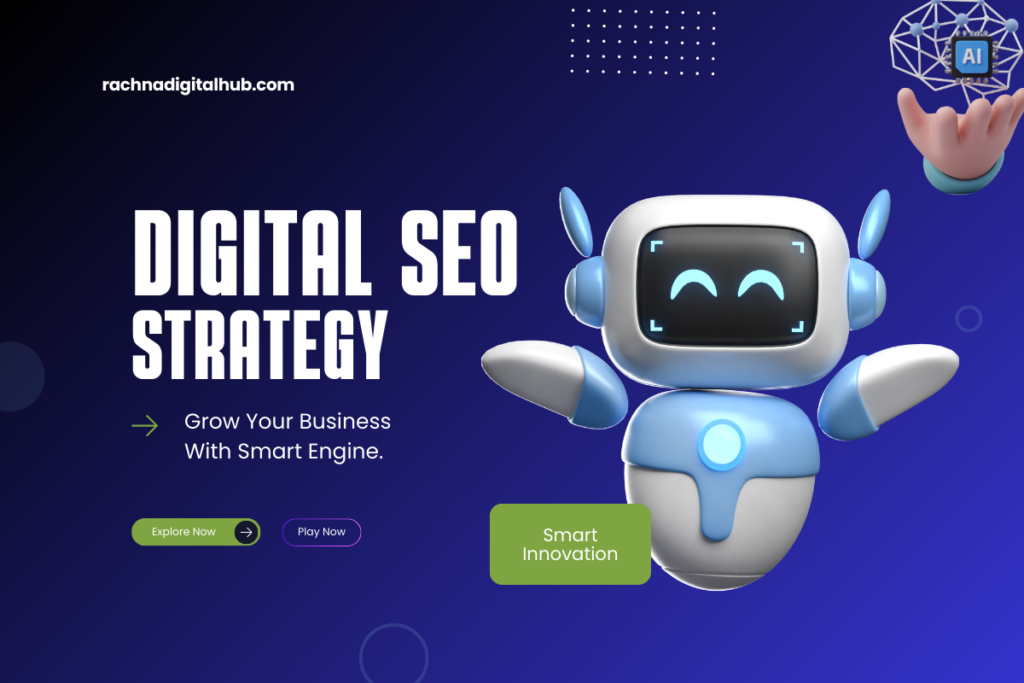
The Image Explained: Your Visual Roadmap to AI-Powered SEO

Take a look at our featured image. It’s more than just a visually striking graphic; it’s a schematic representing the interconnected world of AI and SEO. At its heart is a glowing neural network, symbolizing the AI brain – the intelligence driving the next generation of search engines. Surrounding it are key elements of digital marketing, all now influenced and optimized by AI:

  • Content Optimization: AI helps craft content that not only ranks for keywords but genuinely answers user queries, understands intent, and resonates with the audience on a deeper level.

  • Data Analysis & Insights: AI processes vast amounts of data faster than any human, identifying trends, predicting user behavior, and uncovering opportunities for optimization.

  • User Experience (UX): AI-driven insights help improve website navigation, loading speeds, and overall user journey, which are critical ranking factors.

  • Voice Search & Natural Language Processing (NLP): As voice search grows, AI helps your content understand and respond to conversational queries, moving beyond simple keyword matching.

  • Predictive Analytics: AI can forecast future trends and consumer demands, allowing you to create content and campaigns proactively.

  • Personalization: AI enables highly personalized content delivery, making each user’s experience unique and relevant, thereby increasing engagement.

  • Automated SEO Tasks: From keyword research to competitive analysis and technical audits, AI tools are automating time-consuming tasks, freeing up marketers for strategic thinking. imgres

Below, connecting to this central brain, is the “Rachna Digital Hub” logo, signifying our role in integrating these advanced AI capabilities into your digital marketing strategy. We bridge the gap between complex AI technology and tangible business growth.

Why AI is No Longer Optional for SEO

In the past, SEO was often about finding the right keywords, building backlinks, and ensuring your site was technically sound. While these elements still hold value, AI has fundamentally shifted the goalposts. Modern search engines, like Google, now employ sophisticated AI algorithms (like RankBrain, BERT, and MUM) to understand the intent behind a user’s query, not just the words they type.

This means:

  1. Understanding Context Over Keywords: AI goes beyond matching words to comprehend the full context of a search query, including nuances, synonyms, and related concepts. Your content needs to do the same – providing comprehensive, authoritative answers.

  2. Generative Search Experiences: With the rise of AI chatbots and generative AI in search, users are increasingly getting direct answers or summaries without needing to click through multiple links. Your content must be structured to be easily digestible and summarizable by these AI systems.

  3. Emphasis on E-E-A-T (Experience, Expertise, Authoritativeness, Trustworthiness): AI is getting better at discerning high-quality, trustworthy sources. Businesses that demonstrate genuine expertise and provide valuable, accurate information will be favored.

  4. Personalized Search Results: AI tailors search results based on a user’s location, search history, and preferences. This means your SEO strategy needs to consider audience segmentation and personalized content delivery more than ever.

How Rachna Digital Hub is Integrating AI into Your SEO Strategy

At Rachna Digital Hub, we’re not just observing these changes; we’re actively implementing them to benefit our clients. Here’s how we’re leveraging AI to future-proof your SEO:

  • AI-Powered Content Audits & Creation: We use AI tools to analyze your existing content, identify gaps, and understand what topics truly resonate with your audience. We can then leverage generative AI to assist in creating highly optimized, engaging content that answers complex queries comprehensively.

  • Predictive Keyword Research & Trend Spotting: Our AI tools help us anticipate emerging search trends and identify valuable, long-tail conversational keywords that traditional methods might miss. This ensures your content is always ahead of the curve.

  • Enhanced Technical SEO: AI assists in quickly identifying and resolving complex technical SEO issues, from broken links and crawl errors to site speed optimizations, ensuring your website is perfectly accessible to search engine crawlers.

  • Competitor Analysis with Precision: AI allows us to delve deeper into your competitors’ strategies, understanding their backlink profiles, content performance, and organic traffic sources with unparalleled accuracy.

  • Optimizing for Voice Search & Conversational AI: We structure your content to answer common questions directly, making it ideal for voice assistants and AI-powered conversational search interfaces.

  • Local SEO Amplification: Leveraging AI’s understanding of hyper-local intent, we refine your local SEO strategies to ensure your business appears prominently in “near me” searches and local pack results.

Conclusion: Embrace the Future with Confidence

The convergence of AI and SEO is not a threat; it’s an incredible opportunity for businesses willing to adapt. It demands a more intelligent, user-centric, and data-driven approach to online visibility. By partnering with Rachna Digital Hub, you’re not just getting an SEO agency; you’re gaining a strategic ally equipped with the latest AI insights and tools to navigate this exciting new era.


SEO With AI is Reshaping SEO for Companies in 2026. Read More »

Overhead view of a team discussing digital marketing strategies with laptops and charts.

What Is Digital Marketing? Complete Guide for Beginners.

What Is Digital Marketing? Complete Guide for Beginners.

In today’s fast-moving digital world, businesses are no longer dependent only on traditional marketing methods like newspapers, TV ads, or billboards. Instead, they are using digital platforms to connect directly with their target audience. This modern approach is known as digital marketing.

If you are a beginner trying to understand digital marketing in 2026, this complete guide will explain everything in simple language.

Define digital marketing.

Digital marketing is the process of promoting products or services using online platforms such as search engines, social media, websites, email, and mobile apps.

Unlike traditional marketing, digital marketing allows businesses to reach a global audience, track performance in real-time, and optimise campaigns for better results.

In simple words, digital marketing means promoting your business online.


Why Digital Marketing Is Important in 2026

The world is more connected than ever. Millions of people use the internet daily for searching information, shopping, learning, and entertainment.

Search engines like Google process billions of searches every day. Social media platforms such as Meta Platforms and Instagram influence purchasing decisions.

If your business is not visible online, you are missing a huge opportunity.

Here are a few reasons why digital marketing is essential in 2026:

  • Increased online competition
  • Cost-effective marketing solutions
  • Better audience targeting
  • Measurable results
  • Higher return on investment (ROI)

Main Types of Digital Marketing

Digital marketing includes several strategies and channels. Let’s understand the major ones:

1️⃣ Search Engine Optimization (SEO)

SEO is the process of optimising your website to rank higher on search engines. When your website appears on the first page of search results, you receive more organic traffic. What Is Digital Marketing

SEO includes:

  • Keyword research
  • On-page optimization
  • Technical SEO
  • Link building

SEO is a long-term strategy that builds credibility and trust.


2️⃣ Social Media Marketing (SMM)

Social media marketing involves promoting your brand on platforms like Facebook, Instagram, LinkedIn, and others.

Businesses use social media to:

  • Increase brand awareness
  • Engage with customers
  • Run paid advertisements
  • Generate leads

It helps build a strong online community around your brand.


3️⃣ Pay-Per-Click Advertising (PPC)

PPC is a paid advertising model where businesses pay each time someone clicks on their ad. The most common example is ads shown on search engines.

PPC campaigns deliver quick results and are ideal for product launches or promotions.


4️⃣ Content Marketing

Content marketing focuses on creating valuable and informative content to attract and engage an audience.

Examples include:

  • Blog posts
  • Videos
  • Infographics
  • E-books

High-quality content builds authority and improves SEO performance.


5️⃣ Email Marketing

Email marketing is one of the most effective ways to nurture leads and retain customers. Businesses send newsletters, offers, and updates directly to subscribers’ inboxes.

It is cost-effective and highly personalised.


How Digital Marketing Works

Digital marketing works by identifying your target audience, selecting the right platforms, and delivering the right message at the right time.

Here is a simple process:

  1. Define your business goals
  2. Identify your target audience
  3. Choose the right marketing channels
  4. Create engaging content
  5. Launch campaigns
  6. Track performance and optimise.

One of the biggest advantages of digital marketing is data tracking. You can measure clicks, conversions, impressions, and user behaviour in real-time.


Benefits of Digital Marketing for Beginners

If you are just starting, digital marketing offers many advantages:

✔ Low investment compared to traditional marketing
✔ Ability to start from home
✔ High-demand career option
✔ Freelancing and remote opportunities
✔ Scalable business growth

In 2026, digital skills are becoming essential for entrepreneurs, students, and professionals.


Digital Marketing Trends in 2026

The digital landscape keeps evolving. Some key trends in 2026 include:

  • AI-powered marketing tools
  • Voice search optimization
  • Short-form video content
  • Personalization and automation
  • Data-driven marketing strategies

Businesses that adapt to these trends will stay ahead of the competition.


Is Digital Marketing a Good Career in 2026?

Yes, absolutely.

With increasing online businesses and startups, the demand for digital marketing professionals is growing rapidly. Whether you want to work in a company, start freelancing, or build your own agency, digital marketing offers endless opportunities.

Skills like SEO, social media management, content writing, and paid advertising are highly valuable.


Final Thoughts

Digital marketing is no longer optional — it is essential for business growth in 2026. It allows brands to connect with their audience, build trust, and generate measurable results.

For beginners, the best approach is to start with learning the basics, practise consistently, and apply strategies on real projects.

The digital world is full of opportunities. With the right knowledge and consistent effort, anyone can succeed in digital marketing.

What Is Digital Marketing? Complete Guide for Beginners. Read More »

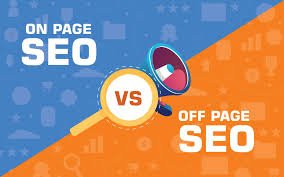
On-Page vs Off-Page SEO: What’s the Difference?

On-Page vs Off-Page SEO: What’s the Difference?

If you want your website to rank higher on search engines like Google, understanding SEO is essential. But many beginners often get confused between two important terms: On-Page SEO and Off-Page SEO.

Both are crucial for improving website visibility, increasing organic traffic, and building online authority. However, they work in different ways.

In this guide, we’ll break down the difference between On-Page and Off-Page SEO in simple language so you can understand how they work together to boost your rankings.


What Is On-Page SEO?

On-Page SEO refers to all the optimization techniques you apply directly on your website to improve its search engine ranking. It focuses on optimizing content, structure, and HTML elements.

In simple words, On-Page SEO is everything you control on your website.On-Page vs Off-Page SEO

Key Elements of On-Page SEO

1️⃣ Keyword Optimization

Using the right keywords in your content helps search engines understand what your page is about. Keywords should be included naturally in:

  • Title

  • Headings

  • URL

  • Meta description

  • Content body

Avoid keyword stuffing — focus on readability and value.

2️⃣ High-Quality Content

Content is the backbone of On-Page SEO. Search engines rank websites that provide helpful, relevant, and original information.

Your content should:

  • Solve user problems

  • Be easy to read

  • Include proper headings

  • Provide real value

3️⃣ Title Tags and Meta Descriptions

Your title tag is the clickable headline that appears in search results. A strong title increases click-through rate.

Meta descriptions summarize your page content and encourage users to click.

4️⃣ Internal Linking

Linking to other relevant pages on your website improves navigation and helps search engines crawl your site better.

5️⃣ Website Speed and Mobile Friendliness

Search engines prioritize fast-loading and mobile-friendly websites. A slow website can negatively impact rankings and user experience.


What Is Off-Page SEO?

Off-Page SEO refers to actions taken outside your website to improve its authority and credibility.

If On-Page SEO is about optimizing your website, Off-Page SEO is about building trust around it.

Search engines use Off-Page signals to determine how trustworthy and popular your website is.

Key Elements of Off-Page SEO

1️⃣ Backlinks

Backlinks are links from other websites pointing to your site. They act as “votes of confidence.”

The more high-quality backlinks you have, the more authority your website gains.

But remember — quality matters more than quantity.

2️⃣ Social Media Marketing

Sharing your content on platforms owned by Meta and other social platforms increases visibility and drives traffic.

Although social signals are not direct ranking factors, they improve brand awareness.

3️⃣ Guest Blogging

Writing articles for other websites in your industry helps you gain backlinks and build authority.

4️⃣ Brand Mentions

Even if your website is mentioned without a link, search engines recognize it as a trust signal.

5️⃣ Online Reputation Management

Positive reviews and ratings improve credibility and influence search rankings indirectly.


Major Differences Between On-Page and Off-Page SEO

Here’s a simple comparison:

On-Page SEO Off-Page SEO
Done on your website Done outside your website
Focuses on content and structure Focuses on authority and trust
You have full control Limited control
Includes keywords and technical optimization Includes backlinks and promotions
Improves relevance Improves credibility

Both are important — you cannot rank well by focusing on only one.


Which One Is More Important?

Many beginners ask: “Should I focus on On-Page or Off-Page SEO first?”

The answer is simple:

Start with On-Page SEO.

If your website content is not optimized, building backlinks will not give strong results. First, create high-quality, SEO-friendly content. Then, promote it using Off-Page techniques.

Think of it like this:

On-Page SEO builds the foundation.
Off-Page SEO builds the reputation.

Without a strong foundation, reputation won’t help much.


How On-Page and Off-Page SEO Work Together

For long-term growth, both strategies must work together.

For example:

  • You publish a high-quality blog post (On-Page SEO).

  • You promote it through guest blogging and social media (Off-Page SEO).

  • Other websites link to it (Backlinks).

  • Search engines see value and authority.

  • Your ranking improves.

This combined approach increases traffic, leads, and conversions.


Final Thoughts

Understanding the difference between On-Page and Off-Page SEO is essential for anyone who wants to succeed in digital marketing.

On-Page SEO helps search engines understand your content.
Off-Page SEO helps search engines trust your website.

On-Page vs Off-Page SEO: What’s the Difference? Read More »

Scroll to Top
Rachna Digital Hub