Small Businesses Need Digital Marketing

Why Small Businesses Need Digital Marketing in 2026

Why Small Businesses Need Digital Marketing in 2026

This time is going to be a competitive market; small businesses face more challenges than ever before. Customers are no longer depending only on physical stores or word-of-mouth recommendations. Instead, they search online, compare options, read reviews, and then make decisions.

This shift in consumer behavior makes digital marketing not just important — but essential for small businesses in 2026.

If your business is not visible online, you are losing potential customers every single day.


The Shift Toward Online Search

When people need a product or service, the first thing they do is search on Google. Whether it’s a local bakery, a clothing store, or a marketing agency, online search has become the starting point of the customer journey.

If your business does not appear in search results, customers will likely choose your competitor.

Digital marketing helps your business:

This visibility directly increases traffic and leads.


Cost-Effective Marketing for Small Budgets

One of the biggest advantages of digital marketing is affordability.

Traditional marketing methods like newspaper ads, TV commercials, and billboards require a large budget. Small businesses often cannot compete with big brands in these areas.

Digital marketing, however, allows you to start with a small budget and scale gradually.

For example:

  • You can run targeted ads
  • You can invest in SEO for long-term traffic
  • You can promote your business through social media

Even with limited investment, small businesses can compete effectively online.


Target the Right Audience

Traditional marketing shows ads to everyone, whether they are interested or not.

Digital marketing allows you to target specific audiences based on:

  • Location
  • Age
  • Interests
  • Behavior
  • Search intent

Platforms owned by Meta allow businesses to create highly targeted ad campaigns. This ensures that your message reaches people who are most likely to become customers.

Better targeting means higher conversion rates and better return on investment.


Builds Brand Awareness and Trust

Customers trust businesses that have a strong online presence.

When your business has:

  • A professional website
  • Active social media profiles
  • Positive reviews
  • Informative blog content

It builds credibility and trust.

Content marketing, especially blogging, positions your business as an authority in your industry. When customers see helpful and valuable content, they are more likely to choose you over competitors.

Trust leads to long-term customer relationships.


Compete With Bigger Brands

Earlier, small businesses struggled to compete with large companies because of limited marketing budgets.

Digital marketing has changed that.

With proper SEO, high-quality content, and smart strategies, even small businesses can rank higher than big brands in search results.

Search engines focus on relevance and quality, not company size. If your content is valuable and optimized properly, you can attract significant traffic.

This creates equal opportunities for growth.


Measurable Results and Data Tracking

One major benefit of digital marketing is data.

Unlike traditional marketing, where results are difficult to measure, digital marketing provides clear insights such as:

  • Website traffic
  • Click-through rates
  • Conversions
  • Customer behavior
  • Engagement levels

These analytics help small businesses understand what works and what doesn’t.

With this data, you can improve strategies, reduce waste, and increase profits.


Improves Customer Engagement

Digital marketing creates two-way communication between businesses and customers.

Through:

  • Social media comments
  • Direct messages
  • Email marketing
  • Online reviews

Customers can interact directly with your brand.

Quick responses and active engagement improve customer satisfaction and loyalty.

Happy customers not only return but also recommend your business to others.


Supports Local Business Growth

For local small businesses, digital marketing is especially powerful.

Local SEO strategies help your business appear when customers search for services “near me.” This increases foot traffic and inquiries.

For example, if someone searches for a “digital marketing expert near me” and your website is optimized correctly, you have a strong chance of appearing in those results.

Local visibility directly translates into real customers.


Long-Term Growth Strategy

Digital marketing is not just about quick results — it builds long-term growth.

SEO, content marketing, and email marketing continue to generate traffic over time. A well-optimized blog post can bring leads for months or even years.

Unlike traditional ads that stop delivering results once the campaign ends, digital marketing efforts can provide lasting value.

Consistency leads to sustainable growth.


Final Thoughts

In 2026, digital marketing is no longer optional for small businesses — it is necessary for survival and growth.

It increases visibility, builds trust, attracts the right audience, and delivers measurable results. Most importantly, it gives small businesses the opportunity to compete with larger brands.

If you want your small business to grow, attract more customers, and build a strong online presence, digital marketing is the smartest investment you can make.

At Rachna Digital Hub, the goal is simple: help small businesses grow confidently in the digital world with smart, effective, and result-driven strategies.


Why Small Businesses Need Digital Marketing in 2026 Read More »

The Ultimate Guide To SEO

The Ultimate Guide to SEO for Digital Marketing Success


The Ultimate Guide to SEO for Digital Marketing Success

Building a website alone is insufficient in the cutthroat internet environment of today. Your firm is invisible if search engines are unable to locate you. This is the point at which search engine optimisation, or SEO, becomes effective. Because it raises a website’s search engine ranking, increases organic traffic, and produces steady leads, SEO is one of the most crucial foundations of digital marketing.

Whether you are a beginner or building your digital marketing career, understanding SEO is essential for long-term success.


What is SEO and Why Does It Matter?

SEO stands for Search Engine Optimization. It is the process of improving a website so that it appears higher in search engine results when users search for related keywords.

For example, when someone searches for “digital marketing expert in India,” search engines like Google show the most relevant and optimized websites at the top.

The higher your website ranks:

  • The more visibility you get
  • The more traffic you receive
  • The more trust you build
  • The more potential clients contact you

Unlike paid ads, SEO provides long-term organic results. Once your content ranks well, it can continue bringing traffic for months or even years.


The Three Main Types of SEO

To build a strong SEO foundation, you must understand its three major components.

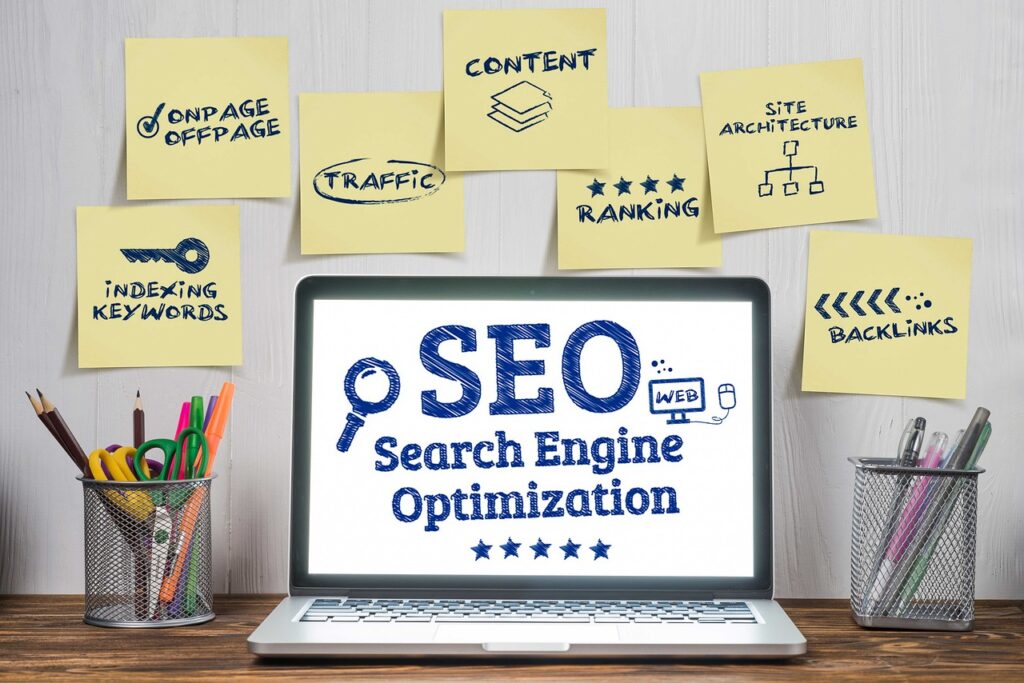
1. On-Page SEO

On-page SEO refers to optimizing the content and structure of your website pages.

This includes:

  • Proper keyword research
  • Optimized titles and meta descriptions
  • Internal linking
  • High-quality, valuable content
  • Proper heading structure (H1, H2, H3)
  • Image optimization

When writing blog posts, always focus on solving a real problem. Search engines reward helpful and user-focused content.


2. Off-Page SEO

Off-page SEO focuses on building authority and trust outside your website.

This includes:

Backlinks from high-authority websites signal to search engines that your website is credible. However, quality matters more than quantity.


3. Technical SEO

Technical SEO ensures your website is easy for search engines to crawl and index.

It includes:

  • Fast loading speed
  • Mobile responsiveness
  • Secure HTTPS connection
  • Clean URL structure
  • XML sitemap

A technically optimized website improves both user experience and search rankings.


How SEO Helps Digital Marketing Professionals

If you are building your digital marketing career, SEO gives you a competitive advantage.

Here’s how:

1. Builds Authority

When your website ranks on the first page, people automatically trust you more. Ranking for keywords related to digital marketing positions you as an expert.

2. Generates Organic Leads

SEO attracts users who are already searching for your services. These leads are highly targeted and more likely to convert.

3. Reduces Marketing Costs

Unlike paid advertising, SEO does not require continuous spending. Once your website ranks, you receive free organic traffic.


Basic SEO Strategy for Beginners

If you are just starting, follow this simple strategy:

Step 1: Choose a Clear Niche

Instead of targeting everything, focus on a specific audience like:

  • Small businesses
  • Local brands
  • Startups
  • Beginners in digital marketing

Step 2: Do Keyword Research

Use tools like:

  • Google Keyword Planner
  • Ubersuggest
  • Ahrefs

Find keywords with:

  • Good search volume
  • Low competition
  • Clear user intent

Step 3: Create Valuable Content

Write detailed blog posts that:

  • Answer common questions
  • Provide step-by-step guidance
  • Include examples
  • Offer practical tips

Consistency is key. Publishing one high-quality blog per week can significantly improve your rankings over time.


Common SEO Mistakes to Avoid

Many beginners make mistakes that slow down their growth.

Avoid:

  • Keyword stuffing
  • Copying content
  • Ignoring mobile optimization
  • Writing short, low-value articles
  • Expecting instant results

SEO is a long-term strategy. It requires patience and continuous improvement.


The Future of SEO in Digital Marketing

SEO continues to evolve with changing algorithms and user behavior. Search engines now prioritize:

  • User experience
  • Helpful content
  • Search intent
  • Website speed
  • Mobile optimization

As a digital marketing professional, staying updated with trends and continuously learning will help you stay ahead of the competition.


Final Thoughts

SEO is not just a marketing technique; it is a powerful growth engine for any online business. If you want to build a successful digital marketing career, mastering SEO should be your top priority.

Start small. Stay consistent. Focus on value. Over time, your website will gain visibility, authority, and trust.

Remember, success in digital marketing does not happen overnight. But with strong SEO strategies and consistent effort, long-term growth is absolutely possible.

The Ultimate Guide to SEO for Digital Marketing Success Read More »

Content Writing & Blogging: The Base Of Successful Digital Marketing.

Content Writing & Blogging: The Base Of Successful Digital Marketing.

In the modern era of technology, companies must build trust before they can sell. Consumers research, compare, and assess brands online prior to making a decision. Blogging and content production are useful in this situation. High-quality content promotes credibility and long-lasting client relationships in addition to offering knowledge and instruction. Content Writing & Blogging

Content writing and blogging are not just about writing articles. They are strategic tools that help businesses attract traffic, improve search engine rankings, and convert visitors into loyal customers.

What Is Content Writing?

Content writing is the process of creating valuable, relevant, and engaging content for websites, blogs, social media, emails, and other digital platforms. The goal is to provide useful information while guiding readers toward a specific action.

Effective content writing focuses on:

  • Understanding the target audience

  • Solving real problems

  • Using clear and simple language

  • Including relevant keywords

  • Encouraging engagement

Good content does not feel like advertising. Instead, it builds trust and authority naturally.

What Is Blogging?

Blogging is a long-term content marketing strategy where businesses regularly publish informative articles on their website. Blogging helps answer common customer questions, provide industry insights, and improve online visibility.

Search engines like Google prioritize websites that regularly publish high-quality and relevant content. This means consistent blogging can significantly improve your search rankings.

1. Improves Search Engine Rankings

Search Engine Optimization (SEO) and content go hand in hand. Every blog post gives you the opportunity to target new keywords. When optimized properly, blogs help your website rank higher in search results.

More rankings mean:

  • More organic traffic

  • More brand visibility

  • More potential leads

Without content, SEO cannot work effectively.

2. Builds Authority and Trust

Customers trust businesses that provide helpful information. When you consistently share valuable insights, people see you as an expert in your industry.

For example, if you run a digital marketing agency and regularly publish blogs about SEO, paid ads, and social media strategies, potential clients will view you as knowledgeable and reliable.

Trust leads to conversions.

3. Generates Long-Term Traffic

Paid advertising gives instant traffic, but blogging provides long-term benefits. A well-written blog post can generate traffic for months or even years.

Unlike ads that stop when the budget ends, organic content continues to work for your business without additional cost.

4. Supports Social Media Marketing

Content created for blogs can be repurposed into social media posts on platforms like Facebook and LinkedIn.

One blog can become:

  • Multiple social media posts

  • Short tips and quotes

  • Infographics

  • Email newsletters

This maximizes your marketing efforts.

5. Improves Conversion Rates

Good content guides readers through the buyer journey. Informative blogs answer questions, remove doubts, and encourage action.

When combined with clear calls-to-action such as “Contact Us”, “Get a Free Consultation”, or “Download Now”, content becomes a powerful lead-generation tool.

Key Elements of Effective Content Writing

To achieve strong results, content must include the following:

Clear Structure

A blog should have:

  • A strong headline

  • An engaging introduction

  • Organized subheadings

  • Short paragraphs

  • A compelling conclusion

This improves readability and keeps readers engaged.

Audience-Focused Writing

Understanding your audience is essential. Ask yourself:

  • What problems are they facing?

  • What information are they searching for?

  • What solutions can you offer?

Write content that directly addresses their needs.

SEO Optimization

Effective blogging includes:

  • Relevant keywords

  • Meta titles and descriptions

  • Internal linking

  • Proper formatting

SEO-friendly content increases discoverability.

Consistency

Publishing one blog is not enough. Consistency builds momentum. Businesses that publish blogs regularly see better engagement and stronger search performance.

Types of Blog Content Businesses Can Create

To keep content fresh and engaging, businesses can publish:

  • How-to guides

  • Industry trends

  • Case studies

  • List-based articles

  • Frequently asked questions

  • Expert opinions

  • Beginner guides

Variety keeps your audience interested and encourages repeat visits.

Common Mistakes to Avoid

Many businesses make mistakes that reduce content effectiveness:

  • Writing only promotional content

  • Ignoring keyword research

  • Publishing inconsistent blogs

  • Using complicated language

  • Not including calls-to-action

Content should educate first and sell later.

Content Writing for Small Businesses

Small businesses often think blogging is only for large companies. However, blogging is one of the most affordable and powerful marketing tools for small brands.

Local businesses can use content to:

  • Target location-based keywords

  • Educate customers about services

  • Share success stories

  • Improve local SEO

With the right strategy, even small businesses can compete with larger brands online.

Final Thoughts

Content writing and blogging are the foundation of digital marketing success. They help businesses build trust, improve search engine rankings, attract organic traffic, and generate leads consistently.

Content Writing & Blogging: The Base Of Successful Digital Marketing. Read More »

Google Ads & Paid Advertising: The Fastest Way to Grow Your Business Online.

Google Ads & Paid Advertising: The Fastest Way to Grow Your Business Online.

Organic marketing is not enough for businesses in the cutthroat digital world of today. Paid advertising offers instant awareness and quicker growth, whereas SEO and content marketing take time to yield returns. Google Ads is among the most effective paid promotion tools.

Google Ads & paid advertising allow businesses to reach the right audience at the right time. Whether you want more website traffic, quality leads, or direct sales, paid campaigns can help you achieve measurable results quickly.

What Is Google Ads?

Google Ads is an online advertising platform developed by Google that allows businesses to show ads on search results, websites, YouTube, and mobile apps. When users search for products or services, paid ads appear at the top of the search results, giving businesses instant visibility. Google Ads & Paid Advertising

Unlike traditional advertising, Google Ads works on a pay-per-click (PPC) model. This means you only pay when someone clicks on your ad. This makes it cost-effective and performance-based.

Why Paid Advertising Is Important for Business Growth

1. Instant Visibility

SEO takes months to rank on search engines. Paid advertising places your business at the top of search results instantly. This is especially helpful for new businesses that need quick exposure.

2. Highly Targeted Audience

One of the biggest advantages of paid advertising is advanced targeting. You can target people based on:

  • Location

  • Age

  • Gender

  • Interests

  • Search behavior

  • Device type

This ensures your ads are shown only to people who are likely to become customers.

3. Measurable Results

With tools like conversion tracking and analytics, you can measure:

  • Clicks

  • Impressions

  • Conversions

  • Cost per lead

  • Return on investment (ROI)

This data helps you optimize campaigns and improve performance.

4. Budget Control

You can start with a small daily budget and scale once you see results. Google Ads allows full control over how much you spend.

Types of Google Ads Campaigns

Google Ads offers multiple campaign types based on your business goals.

Search Ads

These ads appear on search engine results when users type specific keywords. They are best for generating leads and direct inquiries.

Display Ads

These banner ads appear on websites within Google’s partner network. They are useful for brand awareness and remarketing.

Video Ads

Video ads appear on YouTube and other video platforms. They are powerful for brand storytelling and engagement.

Shopping Ads

These ads are ideal for e-commerce businesses. They show product images, prices, and store details directly in search results.

App Campaigns

Designed to promote mobile apps and increase downloads.

Facebook Ads & Social Media Advertising

Paid advertising is not limited to Google. Platforms like Facebook Ads also provide powerful targeting options. Social media ads help businesses:

  • Increase brand awareness

  • Generate leads

  • Drive website traffic

  • Boost engagement

Combining Google Ads and social media advertising creates a strong multi-channel strategy.

Key Elements of a Successful Paid Advertising Campaign

To achieve maximum results, businesses must focus on the following:

1. Proper Keyword Research

Choosing the right keywords ensures your ads reach high-intent users. Target keywords with strong commercial intent.

2. Compelling Ad Copy

Your ad copy must be clear, engaging, and action-oriented. A strong call-to-action like “Book Now” or “Get Free Consultation” increases clicks.

3. Optimized Landing Page

Driving traffic is not enough. Your landing page must:

  • Load fast

  • Be mobile-friendly

  • Have clear information

  • Include trust signals and testimonials

A well-optimized landing page improves conversions.

4. Conversion Tracking

Without tracking, you cannot measure success. Setting up conversion tracking helps identify what works and what needs improvement.

5. Continuous Optimization

Paid advertising is not a one-time setup. You must regularly analyze data, adjust bids, test ad variations, and refine targeting.

Common Mistakes to Avoid

Many businesses waste money on ads because of common mistakes:

  • Not defining clear goals

  • Targeting too broad an audience

  • Ignoring negative keywords

  • Sending traffic to a weak landing page

  • Not tracking conversions

Avoiding these mistakes can significantly improve ROI.

Benefits for Small and Local Businesses

Paid advertising is especially beneficial for small and local businesses. Local targeting helps reach customers in specific cities or service areas. For example, if you run a salon or clinic, you can target people searching within a 5–10 km radius.

This makes paid advertising highly practical and result-oriented for local growth.

Final Thoughts

Google Ads & paid advertising offer one of the fastest and most effective ways to grow your business online. With instant visibility, precise targeting, measurable performance, and flexible budgeting, paid campaigns provide unmatched opportunities for business expansion.

Google Ads & Paid Advertising: The Fastest Way to Grow Your Business Online. Read More »

How Performance Marketing Impacts Modern Market Growth and Business Success.

How Performance Marketing Impacts Modern Market Growth and Business Success.

Performance marketing has transformed the way businesses approach advertising by focusing on measurable outcomes such as clicks, leads, and conversions. Unlike traditional marketing, where success is often difficult to quantify, performance marketing allows companies to track every action and optimize campaigns in real time. This data-driven approach ensures that businesses spend their budgets efficiently while maximizing return on investment (ROI). As competition increases in the digital landscape, performance marketing has become a key strategy for brands aiming to grow faster and smarter.  Performance Marketing Impacts

Understanding the Power of Data-Driven Marketing for Measurable Results.

In today’s highly competitive digital environment, businesses are constantly searching for strategies that deliver measurable results. Performance marketing stands out as one of the most effective approaches because it focuses on outcomes rather than just visibility. Whether it’s generating leads, increasing sales, or driving website traffic, performance marketing ensures that every effort contributes directly to business goals.

This marketing model includes channels such as paid search, social media advertising, affiliate marketing, and influencer partnerships. The unique aspect of performance marketing is that advertisers only pay when a specific action is completed, making it cost-effective and highly efficient. As a result, it plays a crucial role in shaping modern markets and influencing consumer behavior.


1. Drives Measurable and Data-Driven Results

One of the biggest impacts of performance marketing on the market is its ability to deliver measurable results. Businesses can track metrics such as impressions, clicks, conversions, and revenue in real time. This transparency allows marketers to understand what works and what doesn’t.

By analyzing data, companies can make informed decisions and continuously improve their campaigns. This leads to better targeting, improved messaging, and higher conversion rates. In a market where data is power, performance marketing gives businesses a competitive advantage by providing actionable insights.


2. Enhances ROI and Budget Efficiency

Performance marketing ensures that businesses get the most value out of their marketing budgets. Since advertisers only pay for specific actions, there is minimal wastage of resources. This is particularly beneficial for small and medium-sized businesses with limited budgets.

Unlike traditional advertising methods, where results are uncertain, performance marketing guarantees accountability. Companies can allocate their budgets to high-performing campaigns and eliminate underperforming ones. This efficient use of resources significantly improves overall return on investment and helps businesses scale faster.


3. Improves Targeting and Personalization

Another major impact of performance marketing is its ability to target the right audience. Advanced tools and algorithms allow businesses to segment their audience based on demographics, interests, behavior, and location.

This level of targeting ensures that marketing messages reach people who are most likely to convert. Additionally, personalization plays a key role in engaging customers. Tailored ads and content create a better user experience, increasing the chances of conversions and customer loyalty.

In modern markets, where consumers expect relevant and personalized experiences, performance marketing helps businesses meet these expectations effectively.


4. Accelerates Business Growth and Scalability

Performance marketing enables businesses to grow rapidly by scaling successful campaigns. Once a campaign proves effective, companies can increase their investment to reach a larger audience and generate more results.

This scalability is crucial in competitive markets where speed matters. Businesses can quickly adapt to market trends, launch new campaigns, and expand their reach without significant delays. Performance marketing provides the flexibility needed to respond to changing consumer demands and market conditions.


5. Strengthens Competitive Advantage

In a crowded marketplace, standing out from competitors is essential. Performance marketing helps businesses gain a competitive edge by allowing them to monitor competitors, analyze trends, and adjust strategies accordingly.

With access to real-time data, companies can identify gaps in the market and capitalize on opportunities faster than their competitors. This proactive approach ensures that businesses remain ahead in the game and maintain a strong market position.


6. Encourages Innovation and Experimentation

Performance marketing promotes a culture of continuous testing and improvement. Marketers can experiment with different ad creatives, headlines, and targeting strategies to find the most effective combinations.

This experimentation leads to innovation, as businesses discover new ways to engage their audience and improve performance. In a dynamic market, the ability to innovate is crucial for long-term success.


7. Builds Stronger Customer Relationships

Performance marketing not only focuses on acquiring customers but also on retaining them. By analyzing customer behaviour and preferences, businesses can create personalized campaigns that resonate with their audience.

This approach helps build trust and loyalty, which are essential for long-term growth. Engaged customers are more likely to return, recommend the brand, and contribute to sustained business success.


8. Supports Multi-Channel Marketing Strategies

Performance marketing integrates seamlessly with multiple digital channels, including search engines, social media platforms, email marketing, and affiliate networks. This multi-channel approach ensures that businesses can reach their audience at different touchpoints.

By maintaining a consistent presence across platforms, companies can reinforce their brand message and increase visibility. This comprehensive strategy enhances the overall effectiveness of marketing efforts and drives better results.


Conclusion: The Future of Market Growth Through Performance Marketing

Performance marketing has become a cornerstone of modern business strategies due to its focus on measurable outcomes, efficiency, and scalability. It empowers businesses to make data-driven decisions, optimize their campaigns, and achieve higher returns on investment.


How Performance Marketing Impacts Modern Market Growth and Business Success. Read More »

Scroll to Top
Rachna Digital Hub