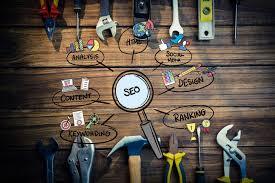

Business Growth

Freelance SEO Pay in India: Income, Rates, and Growth Opportunities

Freelance SEO Pay in India: Income, Rates, and Growth Opportunities

Freelance SEO has become one of the most popular online careers in India. With more businesses going digital, the demand for SEO experts is increasing rapidly. Many beginners want to know how much they can earn as a freelance SEO professional and what growth opportunities are available. In this guide, we will explain freelance SEO pay in India, income potential, rates, and career growth in simple and easy-to-understand language.

What is Freelance SEO?

Freelance SEO means working independently and offering search engine optimization services to clients. Instead of working full-time in a company, SEO freelancers handle projects for multiple clients and earn money based on their skills and experience.

Freelance SEO professionals help businesses:

  • Improve website ranking
  • Increase organic traffic
  • Optimize website content
  • Build backlinks
  • Perform keyword research
  • Improve technical SEO

As businesses rely more on online visibility, freelance SEO opportunities are growing in India.

Freelance SEO Income in India

Freelance SEO income in India depends on several factors such as experience, skills, niche, and client type. Beginners may start with smaller projects, while experienced freelancers earn higher monthly income.

Here is a general idea of freelance SEO earnings in India:

  • Beginner (0–1 year): ₹10,000 – ₹30,000 per month
  • Intermediate (1–3 years): ₹30,000 – ₹70,000 per month
  • Experienced (3–5 years): ₹70,000 – ₹1,50,000 per month
  • Expert (5+ years): ₹1,50,000 – ₹3,00,000+ per month

These numbers can vary depending on workload and client quality. Some freelancers earn even more by working with international clients.

Freelance SEO Rates in India

SEO freelancers charge clients in different ways. The most common pricing models include:

Hourly Rate

Many freelancers charge hourly rates based on experience.

  • Beginner: ₹300 – ₹800 per hour
  • Intermediate: ₹800 – ₹1500 per hour
  • Expert: ₹1500 – ₹4000 per hour

Monthly Retainer

This is the most common pricing model for SEO services.

  • Small business SEO: ₹8,000 – ₹20,000 per month
  • Medium business SEO: ₹20,000 – ₹50,000 per month
  • Advanced SEO services: ₹50,000 – ₹1,00,000+ per month

Project-Based Pricing

Freelancers also charge per project:

  • Website SEO audit: ₹5,000 – ₹25,000
  • On-page SEO setup: ₹7,000 – ₹30,000
  • Local SEO optimization: ₹10,000 – ₹40,000
  • Full SEO project: ₹25,000 – ₹1,00,000+

Pricing increases as your experience grows.

Factors That Affect Freelance SEO Pay

Several factors influence how much you can earn as a freelance SEO expert:

1. Experience

More experience leads to higher income. Clients prefer freelancers with proven results.

2. Skills

Freelancers who know technical SEO, content SEO, and link building earn more.

3. Client Location

International clients usually pay higher than local clients.

4. Niche Expertise

Specializing in niches like eCommerce SEO or local SEO increases rates.

5. Portfolio

Strong case studies help attract high-paying clients.

How Beginners Can Start Earning from Freelance SEO

If you are a beginner, follow these steps to start earning:

  • Learn SEO basics
  • Practice on your own website
  • Create portfolio
  • Offer services at lower price initially
  • Join freelance platforms
  • Reach out to small businesses
  • Build client relationships

Starting small helps you gain experience and grow income.

Best Freelance SEO Services That Pay Well

Some SEO services offer higher earning potential:

  • Website SEO audit
  • Local SEO optimization
  • Keyword research
  • Technical SEO fixes
  • Content optimization
  • Backlink building
  • Competitor analysis

Offering multiple services increases your income.

Freelance SEO Growth Opportunities in India

Freelance SEO offers excellent career growth. As you gain experience, you can expand your services and increase earnings.

Growth opportunities include:

  • Becoming SEO consultant
  • Starting SEO agency
  • Offering digital marketing services
  • Teaching SEO courses
  • Selling SEO tools or templates
  • Working with international clients

Freelancers have flexibility to scale income.

Advantages of Freelance SEO Career

Freelance SEO is popular because of many benefits:

  • Work from home
  • Flexible schedule
  • Unlimited earning potential
  • No investment required
  • Multiple clients
  • Skill-based growth

These advantages make freelance SEO a great career option.

Challenges in Freelance SEO

Although freelance SEO has many benefits, there are some challenges:

  • Finding clients initially
  • Managing multiple projects
  • SEO results take time
  • Competition from other freelancers
  • Continuous learning required

With consistency, these challenges can be managed.

Tips to Increase Freelance SEO Income

To grow your freelance SEO pay:

  • Build strong portfolio
  • Learn advanced SEO techniques
  • Focus on results
  • Improve communication skills
  • Target international clients
  • Offer monthly SEO packages
  • Build personal brand

These strategies help increase earning potential.

Freelance SEO vs Full-Time Job Salary

Many freelancers compare freelance income with full-time jobs. Freelance SEO offers more earning potential because:

  • No salary limit
  • Multiple clients
  • Flexible pricing
  • Global opportunities

However, freelancers must manage their own workflow.

Is Freelance SEO a Good Career in India?

Yes, freelance SEO is a great career option in India. Demand for SEO services is growing as businesses move online. With the right skills and consistency, freelancers can earn a stable monthly income and build long-term career growth.

Conclusion

Freelance SEO pay in India varies depending on experience, skills, and clients. Beginners can start earning ₹10,000 to ₹30,000 per month, while experienced freelancers can earn ₹1,00,000 or more. SEO freelancers can charge hourly, monthly, or project-based rates. With continuous learning, strong portfolio, and client relationships, income can grow significantly.

Freelance SEO also offers excellent growth opportunities, including starting an agency or working with global clients. If you are interested in digital marketing, freelance SEO can be a rewarding career with flexible work and unlimited earning potential.

Freelance SEO Pay in India: Income, Rates, and Growth Opportunities Read More »

SEO freelancer Near Me

SEO Freelancer Near Me – How to Find the Right Expert for Your Business

SEO Freelancer Near Me – How to Find the Right Expert for Your Business

If you are searching for SEO freelancer near me, you are probably looking for someone who can help improve your website ranking and increase online visibility. Hiring a local SEO freelancer can be a smart choice, especially for small businesses that want personalized attention and targeted strategies. In this guide, we will explain what an SEO freelancer does, why hiring a local expert is beneficial, and how you can find the right one easily.

What is an SEO Freelancer?

An SEO freelancer is an independent professional who helps websites rank higher on search engines like Google. Unlike agencies, freelancers usually work directly with clients and provide customized SEO services based on business needs.

SEO freelancers handle various tasks such as:

  • Keyword research
  • On-page SEO optimization
  • Technical SEO improvements
  • Content optimization
  • Link building
  • Website audit
  • Competitor analysis

Their main goal is to increase organic traffic and improve search engine rankings.

Why Search for “SEO Freelancer Near Me”?

Many businesses prefer hiring a local SEO freelancer because they understand the local market and customer behavior. Searching for “SEO freelancer near me” helps you find professionals who are familiar with your location and target audience.

Benefits of hiring a local SEO freelancer:

  • Better communication
  • Understanding of local audience
  • Knowledge of local keywords
  • Personalized strategy
  • Easier collaboration
  • Affordable pricing compared to agencies

Local SEO freelancers can also help optimize your business for location-based searches.

Services Offered by an SEO Freelancer

When you hire an SEO freelancer, you can expect the following services:

1. Keyword Research

The freelancer identifies relevant keywords your customers search for. This helps target the right audience and improve ranking.

2. On-Page SEO

This includes optimizing title tags, meta descriptions, headings, and content. Proper on-page SEO helps search engines understand your website.

3. Technical SEO

Technical SEO focuses on improving website performance, mobile-friendliness, and site structure.

4. Content Optimization

SEO freelancers improve your website content by adding keywords and making it user-friendly.

5. Link Building

They build quality backlinks from trusted websites to improve domain authority.

6. Local SEO

Local SEO helps your business appear in local search results such as “SEO services near me” or “digital marketing near me.”

How to Find the Best SEO Freelancer Near You

Finding the right SEO freelancer is important for achieving good results. Here are simple steps:

Step 1: Search on Google

Search using keywords like:

  • SEO freelancer near me
  • Local SEO expert near me
  • Freelance SEO services in your city

Check top-ranking websites and profiles.

Step 2: Check Portfolio

Review their past work, case studies, and results. A good freelancer should show examples of ranking improvements.

Step 3: Read Reviews

Look for client reviews and testimonials. Positive feedback indicates reliability.

Step 4: Ask About Strategy

Ask how they plan to improve your website ranking. Avoid freelancers who promise instant results.

Step 5: Compare Pricing

Compare different freelancers and choose one that fits your budget and requirements.

Advantages of Hiring an SEO Freelancer

Hiring an SEO freelancer offers many benefits:

  • Cost-effective compared to agencies
  • Direct communication
  • Flexible working hours
  • Customized SEO strategies
  • Faster response time
  • Focused attention on your project

Freelancers usually provide more personalized service.

When Should You Hire an SEO Freelancer?

You should hire an SEO freelancer when:

  • Your website is not ranking on Google
  • You want more organic traffic
  • You need local SEO services
  • You want affordable SEO solution
  • You want to grow your business online

SEO freelancers are suitable for small businesses, startups, and bloggers.

Questions to Ask Before Hiring

Before hiring an SEO freelancer, ask these questions:

  • What SEO tools do you use?
  • How long will it take to see results?
  • Do you provide monthly reports?
  • What is your SEO strategy?
  • Do you follow Google guidelines?

These questions help you choose the right expert.

Cost of Hiring SEO Freelancer

SEO freelancer pricing varies based on experience and services. Some freelancers charge:

  • Hourly rate
  • Monthly package
  • Project-based pricing

Beginners usually charge less, while experienced freelancers charge more. Choose based on quality, not just price.

Tips for Working with an SEO Freelancer

To get the best results:

  • Share your business goals
  • Provide website access
  • Communicate regularly
  • Review monthly reports
  • Be patient with SEO results

SEO takes time, but consistent efforts bring long-term growth.

Common Mistakes to Avoid

Avoid these mistakes when hiring:

  • Choosing cheapest option
  • Expecting instant results
  • Ignoring experience
  • Not checking reviews
  • Not discussing strategy

Selecting the right freelancer ensures better outcomes.

Conclusion

Searching for “SEO freelancer near me” is a smart step if you want to improve your website ranking and grow your online presence. A local SEO freelancer can provide personalized strategies, better communication, and affordable services. By checking portfolio, reviews, and strategy, you can find the right expert for your business.

SEO is a long-term investment, and hiring a skilled freelancer can help increase organic traffic, improve visibility, and generate more leads. Choose wisely, stay consistent, and your website can achieve better rankings and business growth.

SEO Freelancer Near Me – How to Find the Right Expert for Your Business Read More »

AEO vs GEO: Which Strategy Should You Focus

AEO vs GEO: Which Strategy Should You Focus on in 2026?

AEO vs GEO: Which Strategy Should You Focus on in 2026?

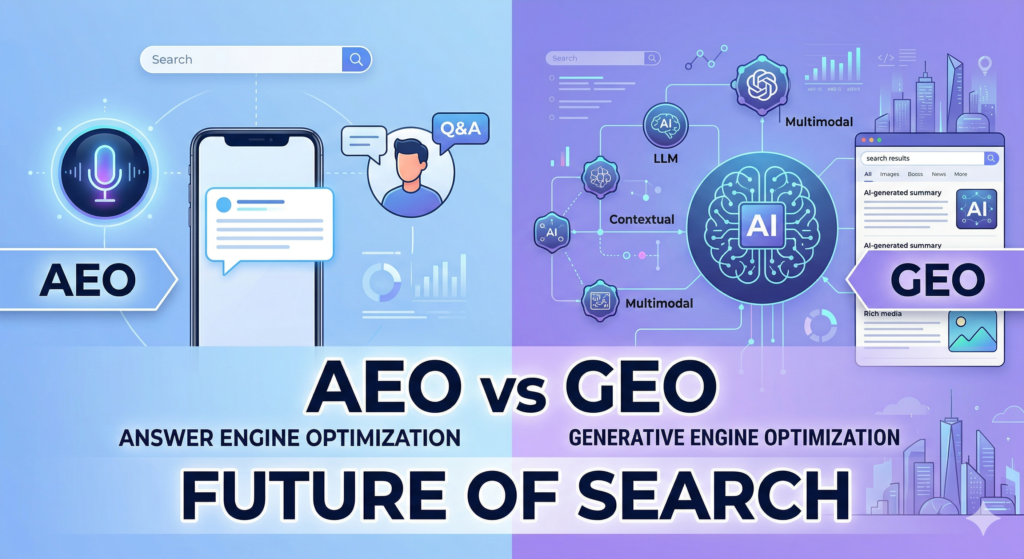
Digital marketing is evolving quickly, and new strategies are emerging to help businesses stay visible online. Two of the latest trends are AEO (Answer Engine Optimization) and GEO (Generative Engine Optimization). Many beginners and business owners are now asking which one they should focus on in 2026. Both strategies aim to improve online visibility, but they work in different ways. This guide explains AEO vs GEO in simple terms so you can decide the best strategy for your website.

What is AEO?

AEO stands for Answer Engine Optimization. It focuses on optimizing content to provide direct answers to user queries. Instead of just ranking on search engine results pages, AEO helps your content appear in featured snippets, voice search results, and AI-generated answers.

When users ask questions on Google, voice assistants, or AI tools, AEO helps your content become the selected answer. The goal is to provide clear, concise, and helpful information.

Key Features of AEO

  • Focus on question-based keywords
  • Optimized for featured snippets
  • Voice search optimization
  • Structured content format
  • FAQ sections
  • Clear and concise answers

AEO is growing because more users now ask direct questions instead of typing short keywords.

What is GEO?

GEO stands for Generative Engine Optimization. It is a newer strategy that focuses on optimizing content for AI-powered search engines. These generative engines use artificial intelligence to generate answers by combining information from multiple sources.

Instead of showing a list of websites, generative engines provide summarized responses. GEO helps your content become part of those AI-generated answers.

Key Features of GEO

  • AI-friendly content structure
  • Semantic keyword usage
  • Topic-based content clusters
  • High-quality informational content
  • Authoritative content creation
  • Natural language writing

GEO is becoming important as AI-driven search platforms continue to grow.

AEO vs GEO: Main Differences

1. Focus Area

AEO focuses on answering specific questions directly. GEO focuses on creating comprehensive content that AI tools use to generate answers.

AEO is about quick answers, while GEO is about detailed knowledge.

2. Search Experience

AEO helps your content appear in featured snippets and voice search. GEO helps your content appear in AI-generated responses.

Both improve visibility, but they target different search experiences.

3. Content Style

AEO requires short, structured, and direct answers. GEO requires in-depth, detailed, and context-rich content.

For AEO, short paragraphs work well. For GEO, long-form content performs better.

4. Keyword Strategy

AEO focuses on question-based keywords such as the following:

  • What is digital marketing
  • How to rank website
  • Why SEO is important

GEO focuses on semantic keywords and related topics within a broader subject.

5. Future Relevance

AEO is already widely used in search engines. GEO is emerging as AI search continues to evolve.

Both strategies are important for future SEO success.

Benefits of AEO

AEO offers several advantages:

  • Helps appear in featured snippets
  • Improves voice search visibility
  • Increases click-through rate
  • Provides quick answers to users
  • Enhances user experience

AEO is especially helpful for beginner websites looking for faster visibility.

Benefits of GEO

GEO also provides strong benefits:

  • Optimized for AI-powered search
  • Builds topical authority
  • Improves long-term ranking
  • Supports comprehensive content
  • Increases credibility

GEO is ideal for websites that want to build authority in their niche.

When Should You Focus on AEO?

You should focus on AEO if:

  • You want quick visibility
  • You target question-based queries
  • You write how-to content
  • You want featured snippets
  • You optimize for voice search

AEO is great for blogs, FAQs, and informational content.

When Should You Focus on GEO?

You should focus on GEO if:

  • You want long-term SEO growth
  • You create detailed content
  • You build topical authority
  • You target AI-driven search
  • You publish in-depth guides

GEO is suitable for blogs, agencies, and knowledge-based websites.

Can You Use AEO and GEO Together?

Yes, the best approach in 2026 is to combine both strategies. AEO and GEO work better when used together.

For example:

  • Write detailed content for GEO
  • Add short answers inside for AEO
  • Include FAQ sections
  • Use structured headings
  • Optimize for AI search

Combining both improves overall visibility.

Best Content Strategy for 2026

Here is a simple strategy:

  • Create long-form content
  • Use question-based headings
  • Add short answers below headings
  • Use natural language
  • Add related subtopics
  • Include FAQ section

This method supports both AEO and GEO.

Practical Example

If your topic is “Digital Marketing Strategy,” you can:

  • Write detailed guide (GEO)
  • Add “What is digital marketing?” section (AEO)
  • Include FAQ questions (AEO)
  • Cover related subtopics (GEO)

This approach improves visibility in both traditional and AI search.

Which is Better in 2026?

Both AEO and GEO are important in 2026. AEO helps with quick answers and featured snippets, while GEO helps with AI-generated search results and long-term authority.

If you are a beginner, start with AEO because it is easier to implement. Once your website grows, focus on GEO for long-term success.

Conclusion

AEO and GEO are two powerful strategies shaping the future of digital marketing. AEO focuses on providing direct answers and improving visibility in featured snippets and voice search. GEO focuses on optimizing content for AI-driven search engines and building topical authority.

In 2026, the best approach is to combine both strategies. Create detailed, high-quality content while also providing clear and concise answers. By using AEO and GEO together, you can improve your chances of ranking in search engines and appearing in AI-generated results. This balanced strategy will help your website stay competitive and grow in the evolving digital landscape.

AEO vs GEO: Which Strategy Should You Focus on in 2026? Read More »

 How to Rank Website on Google First Page

How To Rank Website On Google First Page – Complete Beginner Guide

How to Rank Website on Google First Page—Complete Beginner’s Guide

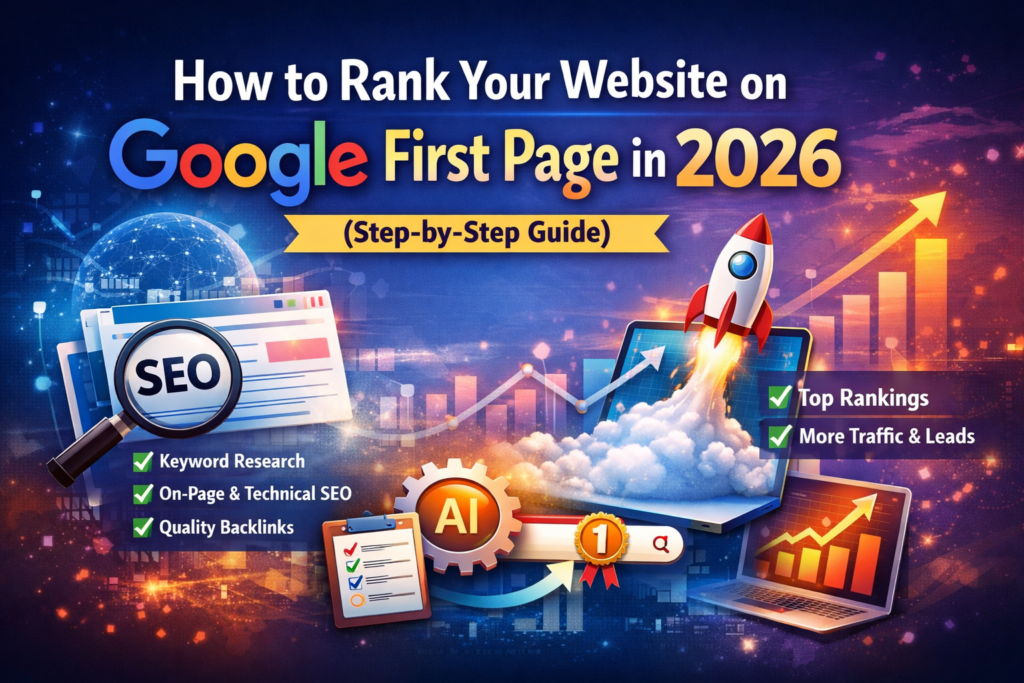
Ranking your website on the first page of Google is one of the most effective ways to get traffic, leads, and customers. Most users never go beyond the first page, which makes it important for businesses and bloggers to optimize their websites properly. If you are a beginner, don’t worry. This guide explains how to rank your website on Google’s first page in simple and easy-to-understand steps. How to Rank Website on Google First Page

Why Ranking on Google’s First Page is Important

When your website appears on the first page of Google, it increases visibility and credibility. People trust websites that appear at the top of search results. Higher ranking also means more clicks, more traffic, and better chances of conversions.

Benefits of ranking on the first page: How to Rank Website on Google First Page

  • More organic traffic
  • Better brand visibility
  • Increased trust and credibility
  • Higher leads and sales
  • Long-term marketing benefits

Step 1: Choose the Right Keywords

Keywords are the foundation of search engine optimization. They help Google understand what your content is about. You should choose keywords that people are actually searching for.

Tips for keyword research:

  • Use long-tail keywords
  • Focus on low-competition keywords
  • Choose keywords related to your niche
  • Check search volume
  • Use question-based keywords

For example, instead of targeting “SEO,” target “how to rank a website on the first page.”

Step 2: Create High-Quality Content

Content plays a major role in ranking your website. Google prefers helpful and informative content that solves user problems.

Tips for writing SEO-friendly content:

  • Write for users first
  • Use simple language
  • Add headings and subheadings
  • Include keywords naturally
  • Write detailed content
  • Use bullet points
  • Add images

Long-form content usually performs better because it provides complete information.

Step 3: Optimize Title and Meta Description

Your title tag and meta description help search engines understand your page and attract clicks.

Best practices:

  • Include main keyword in title
  • Keep title under 60 characters
  • Write compelling meta description
  • Add keywords naturally in the description.

A good title improves click-through rate, which can help improve ranking.

Step 4: Use Proper Heading Structure

Using headings improves readability and SEO. Organize content using H1, H2, and H3 tags.

Example:

  • H1 for main title
  • H2 for main sections
  • H3 for sub-sections

This helps search engines understand your content structure.

Step 5: Improve Website Loading Speed

Website speed is an important ranking factor. A slow website can reduce user experience and increase bounce rate.

Ways to improve speed:

  • Compress images
  • Use caching plugin
  • Choose fast hosting
  • Use lightweight theme
  • Minimize plugins

A fast-loading website improves both SEO and user experience.

Step 6: Make Your Website Mobile-Friendly

Most users browse websites on mobile devices. Google also uses mobile-first indexing.

Tips:

  • Use responsive design
  • Check mobile layout
  • Optimize images
  • Use readable fonts

Mobile-friendly websites rank better on Google.

Step 7: Optimize Images

Images make content engaging, but they should be optimized for SEO.

Best practices:

  • Use compressed images
  • Add alt text
  • Use descriptive file names
  • Use proper size

Image optimization improves page speed and ranking.

Step 8: Build Quality Backlinks

Backlinks are links from other websites to your site. They act as votes of trust for search engines.

Ways to build backlinks:

  • Guest posting
  • Blog commenting
  • Directory submission
  • Social sharing
  • Creating shareable content

Quality backlinks improve domain authority and ranking.

Step 9: Use Internal Linking

Internal links connect pages within your website. They help users navigate and improve SEO.

Benefits:

  • Improves crawlability
  • Reduces bounce rate
  • Distributes link authority
  • Keeps users longer on site

Link related posts naturally in your content.

Step 10: Optimize for On-Page SEO

On-page SEO helps search engines understand your content.

Checklist:

  • Use keyword in title
  • Use keyword in first paragraph
  • Add keyword in headings
  • Use keyword naturally in content
  • Add internal links
  • Add external links

Avoid keyword stuffing, as it can harm your ranking.

Step 11: Publish Content Regularly

Google prefers websites that update regularly. Posting new content signals that your website is active.

Tips:

  • Publish blog posts weekly
  • Update old content
  • Add new information
  • Improve existing articles

Consistency helps improve ranking over time.

Step 12: Use Social Media to Promote Content

Social media helps drive traffic and increase visibility. Sharing your content increases chances of backlinks.

You can share on:

  • Facebook
  • Instagram
  • LinkedIn
  • Twitter

More traffic can indirectly improve ranking.

Step 13: Improve User Experience

Google ranks websites that provide good user experience.

Focus on:

  • Easy navigation
  • Clean design
  • Fast loading
  • Mobile friendly
  • Clear structure

Good user experience reduces bounce rate and improves ranking.

Step 14: Track Your Performance

Tracking helps you understand what works and what needs improvement.

Use tools to track:

  • Website traffic
  • Keyword ranking
  • Bounce rate
  • Click-through rate

Analyzing data helps improve your SEO strategy.

Common Mistakes to Avoid

Avoid these mistakes:

  • Keyword stuffing
  • Duplicate content
  • Slow website
  • Poor mobile design
  • Low-quality backlinks
  • Ignoring user experience

Fixing these issues can improve ranking faster.

Conclusion

Ranking your website on Google’s first page requires proper SEO strategy, high-quality content, and consistency. Start by choosing the right keywords, creating helpful content, and optimizing your website for speed and mobile users. Build quality backlinks, improve user experience, and update your content regularly.

SEO takes time, but with the right approach, you can achieve higher rankings and steady organic traffic. By following these simple steps, beginners can improve their chances of ranking on the first page of Google and growing their online presence successfully.

How To Rank Website On Google First Page – Complete Beginner Guide Read More »

Generate Leads Online

How to Generate Leads Online for Your Business

How to Generate Leads Online for Your Business

Generating leads online is one of the most important goals for any business that wants to grow in today’s digital world. Whether you run a small startup or an established company, online lead generation helps you connect with potential customers, build relationships, and increase sales. With the right digital marketing strategies, businesses can attract targeted audiences and convert them into loyal clients.

In this blog, we will explore simple and effective ways to generate leads online for your business. These strategies are easy to implement, SEO-friendly, and suitable for businesses of all sizes.

1. Build a Professional and User-Friendly Website

Your website is the foundation of your online presence. It acts as your digital storefront where potential customers learn about your services. A well-designed website builds trust and encourages visitors to take action.

Make sure your website includes: generate leads online

Adding lead capture forms on your homepage and service pages helps collect visitor information. Keep the form simple by asking only necessary details like name, email, and phone number.

2. Use Search Engine Optimization (SEO)

SEO is one of the most powerful ways to generate organic leads. When your website ranks higher on search engines, more people can find your business. Generate Leads Online

To improve SEO:

  • Use relevant keywords in your content
  • Optimize meta titles and descriptions
  • Write informative blog posts
  • Add internal linking
  • Improve website speed

Creating blogs regularly increases your chances of ranking for different keywords. For example, writing about digital marketing tips, business growth strategies, and online advertising can attract targeted traffic.

3. Create High-Quality Content

Content marketing plays a key role in attracting potential customers. Informative and valuable content builds authority and trust. When people find helpful information, they are more likely to contact your business.

You can create:Generate leads online

  • Blog posts
  • Guides
  • Infographics
  • Case studies
  • Checklists

Focus on solving your audience’s problems. For example, if you offer digital marketing services, write content about increasing website traffic, social media growth, and lead generation techniques.

4. Leverage Social Media Marketing

Social media platforms help businesses connect directly with their audience. Posting regularly keeps your brand visible and encourages engagement. generate leads online

Tips for social media lead generation:

  • Share informative posts
  • Use engaging captions
  • Add call-to-action like Contact us
  • Post customer testimonials
  • Share blog links

Platforms like Facebook, Instagram, and LinkedIn are excellent for generating leads. Consistency is important, so create a posting schedule to stay active.

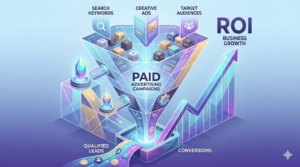
5. Run Paid Advertising Campaigns

Paid advertising is a fast way to generate leads. Platforms like Google Ads and social media ads allow you to target specific audiences based on location, interests, and behavior.

Benefits of paid ads:

  • Instant traffic
  • Targeted audience
  • Higher conversions
  • Budget control

Create attractive ad copies with clear call-to-actions. Direct users to a landing page designed specifically for lead capture.

6. Offer Free Value to Attract Leads

Providing something valuable for free encourages visitors to share their contact information. This strategy is known as a lead magnet.

Examples of lead magnets:

  • Free consultation
  • Free audit
  • E-book
  • Checklist
  • Discount offer

Make sure your offer is relevant to your services. For example, a digital marketing agency can offer a free website analysis or SEO audit.

7. Use Email Marketing

Email marketing helps nurture potential leads and convert them into customers. Once you collect email addresses, you can send updates, offers, and valuable content.

Effective email marketing tips:

  • Send welcome emails
  • Share useful tips
  • Promote services
  • Offer discounts
  • Keep emails short and clear

Consistency is key. Sending regular emails keeps your brand in the customer’s mind.

8. Optimize Landing Pages

Landing pages are designed specifically to convert visitors into leads. A strong landing page includes:

  • Clear headline
  • Benefits of your service
  • Testimonials
  • Contact form
  • Call-to-action button

Avoid distractions and focus on one goal. The simpler the page, the better the conversion rate.

9. Use Call-to-Action (CTA) Effectively

Call-to-action buttons guide users to take the next step. Without CTAs, visitors may leave without contacting you.

Examples of strong CTAs:

  • Get Free Consultation
  • Contact Us Today
  • Request a Quote
  • Start Now
  • Book Your Service

Place CTAs on:

  • Homepage
  • Blog posts
  • Service pages
  • Footer section

10. Collect and Display Testimonials

Customer reviews build trust and credibility. When potential clients see positive feedback, they are more likely to choose your business.

You can add testimonials:

  • On homepage
  • On service pages
  • In social media posts
  • On landing pages

Authentic reviews increase conversions and generate more leads.

11. Use Local SEO for Targeted Leads

If you provide services in specific locations, local SEO helps attract nearby customers. Optimize your website with location-based keywords.

Examples:

  • Digital marketing services in your city
  • SEO services near me
  • Online marketing agency in your area

Create location-specific pages to improve visibility in local search results.

12. Track and Improve Your Strategy

Lead generation is an ongoing process. Track your performance to see what works best.

Monitor:

  • Website traffic
  • Conversion rate
  • Click-through rate
  • Engagement rate

Based on data, improve your content, ads, and landing pages to increase leads.

Conclusion

Generating leads online is essential for business growth. By using strategies like SEO, content marketing, social media, paid ads, and email marketing, businesses can attract targeted audiences and convert them into customers. The key is consistency, quality content, and clear call-to-actions.

Start implementing these lead generation techniques today and watch your business grow online. With the right digital marketing approach, you can increase traffic, build trust, and generate high-quality leads that drive long-term success.

How to Generate Leads Online for Your Business Read More »

How Content Creation Helps Companies Grow Online

How Content Creation Helps Companies Grow Online Effectively.


In today’s competitive digital environment, understanding how content creation helps companies grow online is essential for every business aiming to build a strong presence. Content creation is no longer just about writing blogs or posting on social media—it is a strategic tool that drives traffic, builds trust, and converts audiences into loyal customers. Companies that invest in quality content consistently experience better visibility, improved engagement, and higher revenue over time. Content Creation Helps Companies Grow

Discover how content creation drives visibility, engagement, and long-term business growth in the digital landscape.

When businesses focus on how content creation helps companies grow online, they begin to realize that content acts as the foundation of digital marketing. From websites to social media platforms, every touchpoint relies on valuable and relevant content to attract and retain customers.


1. Builds Strong Online Visibility and SEO Rankings

One of the biggest reasons how content creation helps companies grow online is its impact on search engine optimization (SEO). High-quality content filled with relevant keywords helps websites rank higher on search engines, making it easier for potential customers to find your business.

Search engines prioritize fresh, informative, and engaging content. When companies regularly publish blogs, articles, and web pages, they increase their chances of appearing in search results. This directly improves organic traffic and brand exposure.

Additionally, optimized content helps target specific audiences through long-tail keywords. This means businesses can reach users who are actively searching for their products or services. Over time, consistent content creation builds authority and trust, which further boosts rankings.


2. Enhances Brand Awareness and Authority

Another key factor in how content creation helps companies grow online is the ability to establish brand identity and authority. When companies share valuable insights, tips, and industry knowledge, they position themselves as experts in their field.

Content such as blogs, videos, and infographics allows businesses to communicate their values, mission, and expertise. This builds credibility and makes customers more likely to trust the brand. A strong content strategy ensures that your business remains visible and relevant in the minds of your audience.

Moreover, consistent messaging across all platforms strengthens brand recognition. When users repeatedly see useful and engaging content, they are more likely to remember and choose your company over competitors.


3. Drives Customer Engagement and Interaction

Understanding how content creation helps companies grow online also involves recognizing its role in customer engagement. Engaging content encourages users to interact with your brand through likes, shares, comments, and clicks.

Interactive content such as blogs, social media posts, and videos creates opportunities for two-way communication. Businesses can respond to comments, answer questions, and build relationships with their audience. This level of engagement increases customer loyalty and satisfaction.

Furthermore, engaging content keeps users on your website longer, reducing bounce rates and improving overall user experience. This signals to search engines that your content is valuable, further boosting your rankings.


4. Generates Quality Leads and Conversions

A major advantage of how content creation helps companies grow online is its ability to generate leads and drive conversions. Informative and persuasive content guides potential customers through the buying journey.

For example, blog posts educate users about problems and solutions, while landing pages and product descriptions encourage them to take action. Call-to-action (CTA) elements within content direct users to sign up, subscribe, or make a purchase.

Content marketing also nurtures leads over time. By consistently providing valuable information, businesses build trust and keep their audience engaged until they are ready to convert. This results in higher-quality leads and better conversion rates.


5. Supports Long-Term Business Growth

When analyzing how content creation helps companies grow online, it is important to consider its long-term benefits. Unlike paid advertising, content continues to deliver results over time.

Evergreen content, such as guides and tutorials, remains relevant and continues to attract traffic for months or even years. This creates a sustainable source of leads and visibility without ongoing costs.

Additionally, content can be repurposed across multiple platforms. A single blog post can be transformed into social media posts, videos, or email newsletters, maximizing its value and reach. This efficiency makes content creation a cost-effective strategy for long-term growth.


6. Improves Customer Education and Trust

Another essential aspect of how content creation helps companies grow online is customer education. Informative content helps customers understand products, services, and industry trends.

When businesses provide clear and helpful information, they reduce confusion and build confidence among potential buyers. This transparency strengthens trust and encourages customers to choose your brand.

Educational content also reduces the burden on customer support teams by answering common questions in advance. This improves overall efficiency and enhances the customer experience.


Conclusion

In conclusion, understanding how content creation helps companies grow online is crucial for any business looking to succeed in the digital age. Content creation enhances visibility, builds brand authority, drives engagement, and generates leads. It also supports long-term growth by providing continuous value to both businesses and their audiences.

Companies that invest in strategic and consistent content creation are better positioned to stand out in a crowded market. By focusing on quality, relevance, and user intent, businesses can unlock the full potential of content marketing and achieve sustainable online growth.

How Content Creation Helps Companies Grow Online Read More »

lorem ipsum is simply dummy text of the printing and typesetting industry. lorem ipsum has been the industry's standard dummy text

What Is SEO In Digital Marketing.

What Is SEO in Digital Marketing and Why It Matters Today?   

Search engine optimisation is a powerful digital marketing strategy that helps websites rank higher on search engines like Google, Bing, and Yahoo. It focuses on improving a website’s visibility so that when users search for products or services, your website appears at the top of the results. SEO involves multiple techniques such as keyword research, content optimisation, technical improvements, and link building. In today’s competitive online world, SEO is essential because it drives organic traffic, builds brand credibility, and increases conversions without relying heavily on paid advertising. Businesses that invest in SEO gain long-term benefits, including consistent traffic, better user experience, and higher return on investment.


Understanding SEO And Its Role In Digital Marketing

SEO is the process of optimising a website to make it more attractive to search engines and users. It works by aligning your website with search engine algorithms, which determine rankings based on relevance, quality, and usability. When your website is optimised properly, it becomes easier for search engines to crawl, index, and rank your pages. SEO is not just about inserting keywords; it also includes creating valuable content, improving website speed, ensuring mobile responsiveness, and building trust through backlinks. In digital marketing, SEO plays a central role because it connects businesses with their target audience at the right time—when they are actively searching for solutions.   


1. Keyword Research – The Foundation Of SEO

Keyword research is the first and most important step in SEO. It involves identifying the words and phrases that people use when searching online. By targeting the right keywords, businesses can attract relevant traffic to their website. There are different types of keywords, including short-tail keywords (like “digital marketing”) and long-tail keywords (like “best digital marketing services for small businesses”). Long-tail keywords are especially useful because they have lower competition and higher conversion rates.

Effective keyword research helps you understand your audience’s intent. Whether users are looking for information, services, or products, using the right keywords ensures your content matches their needs. Tools like keyword planners and analytics platforms help marketers find high-volume and low-competition keywords, making it easier to rank on search engines.


2. On-Page SEO – Optimizing Website Content

‘On-page SEO’ refers to optimising the elements within your website to improve search engine rankings. This includes optimising titles, meta descriptions, headings, images, and content. Each page should have a clear structure and include relevant keywords naturally.

High-quality content is the backbone of on-page SEO. Content should be informative, engaging, and easy to read. Proper use of headings (H1, H2, H3), internal linking, and image optimisation enhances user experience and helps search engines understand your content better. Additionally, including keywords in strategic places like titles and URLs improves visibility.

On-page SEO also focuses on user experience. A well-structured website with fast loading speed and mobile-friendly design keeps visitors engaged and reduces bounce rates, which positively impacts rankings.


3. Off-Page SEO – Building Authority And Trust

Off-page SEO involves activities outside your website that influence your rankings. The most important factor in off-page SEO is backlinks. Backlinks are links from other websites pointing to your site, and they act as a vote of confidence for your content.

When high-quality and authoritative websites link to your content, search engines consider your website trustworthy and relevant. This improves your domain authority and helps your pages rank higher. However, not all backlinks are beneficial—quality matters more than quantity.

Other off-page SEO techniques include social media marketing, guest blogging, influencer outreach, and brand mentions. These activities help increase your online presence and drive more traffic to your website.


4. Technical SEO – Improving Website Performance

Technical SEO focuses on optimising the backend of your website to ensure it meets search engine requirements. It includes improving website speed, mobile-friendliness, security, and crawlability.

A fast-loading website provides a better user experience and reduces bounce rates. Mobile optimisation is equally important because a large percentage of users access websites through smartphones. Websites must also use secure protocols (HTTPS) to protect user data and build trust.

Technical SEO also involves fixing broken links, creating XML sitemaps, and ensuring proper indexing. These factors help search engines crawl your website efficiently and rank your pages accurately.


5. Content Marketing And SEO Connection

Content and SEO go hand in hand. Without quality content, SEO cannot succeed. Content marketing involves creating valuable and relevant content to attract and engage your audience. Blog posts, articles, videos, and infographics are all part of content marketing.

SEO ensures that your content reaches the right audience by improving it for search engines. By combining SEO with content marketing, businesses can build authority, educate their audience, and drive consistent traffic to their website.


6. Local SEO – Targeting Nearby Customers

Local SEO is important for businesses that want to attract customers from specific locations. It involves optimising your website for local searches such as “digital marketing agency near me” or “SEO services in Delhi”.

Local SEO strategies include creating a Google Business profile, collecting customer reviews, and using location-based keywords. This helps businesses appear in local search results and maps, making it easier for nearby customers to find them.


Conclusion

SEO is an essential part of digital marketing that helps businesses grow their online presence and reach their target audience effectively. By focusing on keyword research, on-page optimisation, off-page strategies, technical improvements, and content marketing, businesses can achieve higher rankings and long-term success. SEO is not a one-time effort but an ongoing process that requires continuous updates and improvements.

What Is SEO In Digital Marketing. Read More »

A modern workspace with an iMac displaying Google search, perfect for remote work setups.

Why SEO Is Important For Modern Business Growth.

Why SEO Is Important For Modern Business Growth.

We know now we are in a highly competitive digital world; businesses must establish a strong online presence to survive and grow. Search Engine Optimization (SEO) plays a crucial role in helping businesses reach their target audience, improve visibility, and drive consistent organic traffic. Unlike traditional marketing, SEO focuses on attracting users who are actively searching for products or services, making it one of the most powerful and cost-effective strategies for modern business growth. By optimising your website and content for search engines, you can build credibility, improve user experience, and achieve sustainable success over time. Why SEO Is Important


Unlocking Online Visibility, Traffic, and Long-Term Success Through SEO.

Search insights enable businesses to understand what their audience is searching for online. By examining trends, keywords, and user behavior, companies can refine strategies, boost visibility, and connect effectively with customers, leading to smarter decisions and consistent growth in a competitive digital environment.

With billions of searches happening every day, businesses that invest in SEO gain a significant advantage over competitors who rely solely on paid advertising or offline strategies. SEO not only helps increase website traffic but also improves brand awareness, trust, and conversions. It is no longer optional—it is a necessity for modern business growth.


1. Increased Website Traffic

One of the most important benefits of SEO is its ability to drive organic traffic to your website. When your website ranks higher on search engines, it becomes more visible to users searching for relevant keywords.

Organic traffic is highly valuable because it consists of users who are genuinely interested in your products or services. Unlike paid ads, you don’t have to pay for every click, making SEO a long-term investment. By targeting the right keywords and creating high-quality content, businesses can attract a steady flow of visitors.

Additionally, higher rankings often lead to higher click-through rates. Most users tend to click on the top results, which means that improving your ranking can significantly boost your website traffic.


2. Builds Credibility and Trust

Trust plays a crucial role in customer decision-making. Websites that appear on the first page of search results are often perceived as more trustworthy and credible.

SEO helps build this trust by improving your website’s quality, relevance, and authority. Factors such as backlinks, high-quality content, and user-friendly design contribute to a strong online reputation. When users see your website consistently ranking high, they are more likely to trust your brand.

Moreover, SEO encourages businesses to maintain updated and accurate information, which further enhances credibility. Over time, this trust translates into customer loyalty and repeat business.


3. Better User Experience

SEO is not just about search engines—it is also about users. A well-optimised website provides a better user experience, which is a key factor in retaining visitors.

Elements such as fast loading speed, mobile responsiveness, easy navigation, and high-quality content all contribute to a positive user experience. When users find your website easy to use and informative, they are more likely to stay longer and explore more pages.

Search engines also prioritise websites that offer a good user experience. This means that improving your website’s usability not only benefits your visitors but also boosts your rankings.


4. Cost-Effective Marketing Strategy

Compared to traditional marketing methods, SEO is highly cost-effective. While it requires time and effort, the long-term benefits far outweigh the initial investment.

Unlike paid advertising, where traffic stops once you stop paying, SEO continues to deliver results over time. Once your website achieves a strong ranking, it can maintain its position with regular updates and optimisation.

This makes SEO an ideal strategy for businesses with limited marketing budgets. It allows them to compete with larger companies without spending heavily on advertising.


5. Competitive Advantage

In today’s competitive market, businesses must find ways to stand out. SEO provides a significant competitive advantage by helping you outrank your competitors in search results.

When your website appears above your competitors, it increases your chances of attracting more customers. By analysing competitor strategies and optimising your content accordingly, you can stay ahead in the market.

Additionally, businesses that invest in SEO early often gain long-term benefits, as it becomes more difficult for competitors to outrank established websites.


6. Higher Conversion Rates

SEO not only drives traffic but also improves conversion rates. Since SEO targets users who are actively searching for specific products or services, the chances of conversion are higher.

By optimising your website for relevant keywords, creating engaging content, and providing clear calls-to-action, you can turn visitors into customers. A well-structured website with valuable information helps users make informed decisions, leading to higher conversions.


7. Supports Long-Term Growth

One of the biggest advantages of SEO is its long-term impact. Unlike short-term marketing strategies, SEO provides sustainable growth over time.

As your website gains authority and trust, it becomes easier to maintain high rankings. Regular updates, fresh content, and continuous optimisation ensure that your website remains relevant in the ever-changing digital landscape.

SEO also adapts to changing user behaviour and search engine algorithms, making it a future-proof strategy for business growth.


Conclusion: The Key to Sustainable Business Success

SEO has become an essential component of modern business growth. It goes beyond improving search rankings—it helps build brand awareness, credibility, and long-term customer relationships. By driving organic traffic, enhancing user experience, and providing a cost-effective marketing solution, SEO empowers businesses to achieve sustainable success.


Why SEO Is Important For Modern Business Growth. Read More »

Small Businesses Need Digital Marketing

Why Small Businesses Need Digital Marketing in 2026

Why Small Businesses Need Digital Marketing in 2026

This time is going to be a competitive market; small businesses face more challenges than ever before. Customers are no longer depending only on physical stores or word-of-mouth recommendations. Instead, they search online, compare options, read reviews, and then make decisions.

This shift in consumer behavior makes digital marketing not just important — but essential for small businesses in 2026.

If your business is not visible online, you are losing potential customers every single day.


The Shift Toward Online Search

When people need a product or service, the first thing they do is search on Google. Whether it’s a local bakery, a clothing store, or a marketing agency, online search has become the starting point of the customer journey.

If your business does not appear in search results, customers will likely choose your competitor.

Digital marketing helps your business:

This visibility directly increases traffic and leads.


Cost-Effective Marketing for Small Budgets

One of the biggest advantages of digital marketing is affordability.

Traditional marketing methods like newspaper ads, TV commercials, and billboards require a large budget. Small businesses often cannot compete with big brands in these areas.

Digital marketing, however, allows you to start with a small budget and scale gradually.

For example:

  • You can run targeted ads
  • You can invest in SEO for long-term traffic
  • You can promote your business through social media

Even with limited investment, small businesses can compete effectively online.


Target the Right Audience

Traditional marketing shows ads to everyone, whether they are interested or not.

Digital marketing allows you to target specific audiences based on:

  • Location
  • Age
  • Interests
  • Behavior
  • Search intent

Platforms owned by Meta allow businesses to create highly targeted ad campaigns. This ensures that your message reaches people who are most likely to become customers.

Better targeting means higher conversion rates and better return on investment.


Builds Brand Awareness and Trust

Customers trust businesses that have a strong online presence.

When your business has:

  • A professional website
  • Active social media profiles
  • Positive reviews
  • Informative blog content

It builds credibility and trust.

Content marketing, especially blogging, positions your business as an authority in your industry. When customers see helpful and valuable content, they are more likely to choose you over competitors.

Trust leads to long-term customer relationships.


Compete With Bigger Brands

Earlier, small businesses struggled to compete with large companies because of limited marketing budgets.

Digital marketing has changed that.

With proper SEO, high-quality content, and smart strategies, even small businesses can rank higher than big brands in search results.

Search engines focus on relevance and quality, not company size. If your content is valuable and optimized properly, you can attract significant traffic.

This creates equal opportunities for growth.


Measurable Results and Data Tracking

One major benefit of digital marketing is data.

Unlike traditional marketing, where results are difficult to measure, digital marketing provides clear insights such as:

  • Website traffic
  • Click-through rates
  • Conversions
  • Customer behavior
  • Engagement levels

These analytics help small businesses understand what works and what doesn’t.

With this data, you can improve strategies, reduce waste, and increase profits.


Improves Customer Engagement

Digital marketing creates two-way communication between businesses and customers.

Through:

  • Social media comments
  • Direct messages
  • Email marketing
  • Online reviews

Customers can interact directly with your brand.

Quick responses and active engagement improve customer satisfaction and loyalty.

Happy customers not only return but also recommend your business to others.


Supports Local Business Growth

For local small businesses, digital marketing is especially powerful.

Local SEO strategies help your business appear when customers search for services “near me.” This increases foot traffic and inquiries.

For example, if someone searches for a “digital marketing expert near me” and your website is optimized correctly, you have a strong chance of appearing in those results.

Local visibility directly translates into real customers.


Long-Term Growth Strategy

Digital marketing is not just about quick results — it builds long-term growth.

SEO, content marketing, and email marketing continue to generate traffic over time. A well-optimized blog post can bring leads for months or even years.

Unlike traditional ads that stop delivering results once the campaign ends, digital marketing efforts can provide lasting value.

Consistency leads to sustainable growth.


Final Thoughts

In 2026, digital marketing is no longer optional for small businesses — it is necessary for survival and growth.

It increases visibility, builds trust, attracts the right audience, and delivers measurable results. Most importantly, it gives small businesses the opportunity to compete with larger brands.

If you want your small business to grow, attract more customers, and build a strong online presence, digital marketing is the smartest investment you can make.

At Rachna Digital Hub, the goal is simple: help small businesses grow confidently in the digital world with smart, effective, and result-driven strategies.


Why Small Businesses Need Digital Marketing in 2026 Read More »

Scroll to Top
Rachna Digital Hub