
Digital Marketing

The Ultimate Guide To SEO

The Ultimate Guide to SEO for Digital Marketing Success


The Ultimate Guide to SEO for Digital Marketing Success

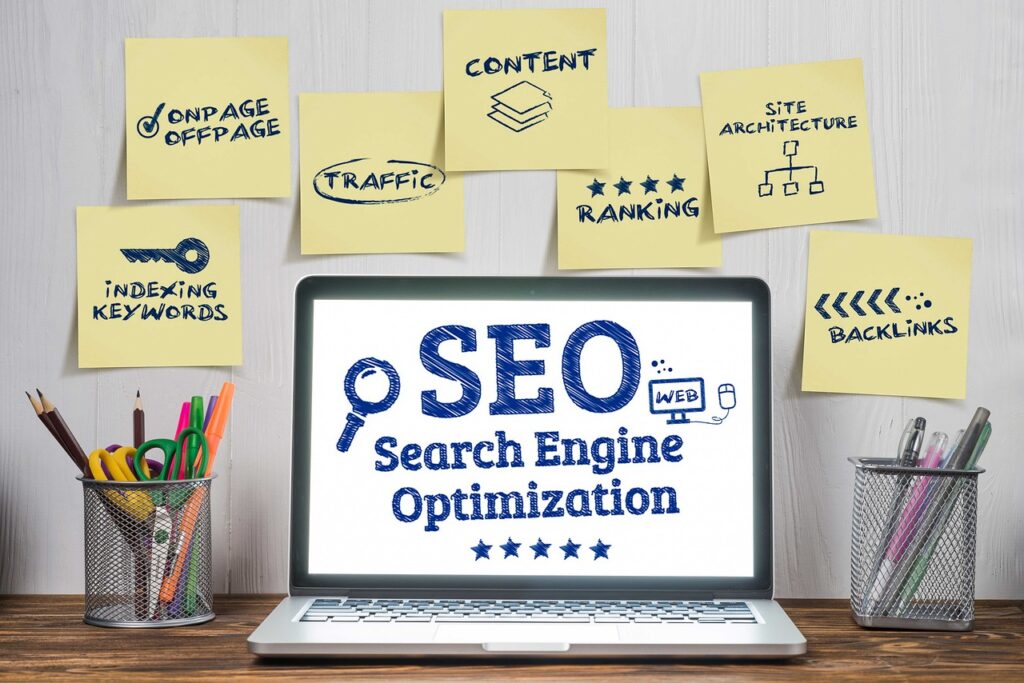
Building a website alone is insufficient in the cutthroat internet environment of today. Your firm is invisible if search engines are unable to locate you. This is the point at which search engine optimisation, or SEO, becomes effective. Because it raises a website’s search engine ranking, increases organic traffic, and produces steady leads, SEO is one of the most crucial foundations of digital marketing.

Whether you are a beginner or building your digital marketing career, understanding SEO is essential for long-term success.


What is SEO and Why Does It Matter?

SEO stands for Search Engine Optimization. It is the process of improving a website so that it appears higher in search engine results when users search for related keywords.

For example, when someone searches for “digital marketing expert in India,” search engines like Google show the most relevant and optimized websites at the top.

The higher your website ranks:

  • The more visibility you get
  • The more traffic you receive
  • The more trust you build
  • The more potential clients contact you

Unlike paid ads, SEO provides long-term organic results. Once your content ranks well, it can continue bringing traffic for months or even years.


The Three Main Types of SEO

To build a strong SEO foundation, you must understand its three major components.

1. On-Page SEO

On-page SEO refers to optimizing the content and structure of your website pages.

This includes:

  • Proper keyword research
  • Optimized titles and meta descriptions
  • Internal linking
  • High-quality, valuable content
  • Proper heading structure (H1, H2, H3)
  • Image optimization

When writing blog posts, always focus on solving a real problem. Search engines reward helpful and user-focused content.


2. Off-Page SEO

Off-page SEO focuses on building authority and trust outside your website.

This includes:

Backlinks from high-authority websites signal to search engines that your website is credible. However, quality matters more than quantity.


3. Technical SEO

Technical SEO ensures your website is easy for search engines to crawl and index.

It includes:

  • Fast loading speed
  • Mobile responsiveness
  • Secure HTTPS connection
  • Clean URL structure
  • XML sitemap

A technically optimized website improves both user experience and search rankings.


How SEO Helps Digital Marketing Professionals

If you are building your digital marketing career, SEO gives you a competitive advantage.

Here’s how:

1. Builds Authority

When your website ranks on the first page, people automatically trust you more. Ranking for keywords related to digital marketing positions you as an expert.

2. Generates Organic Leads

SEO attracts users who are already searching for your services. These leads are highly targeted and more likely to convert.

3. Reduces Marketing Costs

Unlike paid advertising, SEO does not require continuous spending. Once your website ranks, you receive free organic traffic.


Basic SEO Strategy for Beginners

If you are just starting, follow this simple strategy:

Step 1: Choose a Clear Niche

Instead of targeting everything, focus on a specific audience like:

  • Small businesses
  • Local brands
  • Startups
  • Beginners in digital marketing

Step 2: Do Keyword Research

Use tools like:

  • Google Keyword Planner
  • Ubersuggest
  • Ahrefs

Find keywords with:

  • Good search volume
  • Low competition
  • Clear user intent

Step 3: Create Valuable Content

Write detailed blog posts that:

  • Answer common questions
  • Provide step-by-step guidance
  • Include examples
  • Offer practical tips

Consistency is key. Publishing one high-quality blog per week can significantly improve your rankings over time.


Common SEO Mistakes to Avoid

Many beginners make mistakes that slow down their growth.

Avoid:

  • Keyword stuffing
  • Copying content
  • Ignoring mobile optimization
  • Writing short, low-value articles
  • Expecting instant results

SEO is a long-term strategy. It requires patience and continuous improvement.


The Future of SEO in Digital Marketing

SEO continues to evolve with changing algorithms and user behavior. Search engines now prioritize:

  • User experience
  • Helpful content
  • Search intent
  • Website speed
  • Mobile optimization

As a digital marketing professional, staying updated with trends and continuously learning will help you stay ahead of the competition.


Final Thoughts

SEO is not just a marketing technique; it is a powerful growth engine for any online business. If you want to build a successful digital marketing career, mastering SEO should be your top priority.

Start small. Stay consistent. Focus on value. Over time, your website will gain visibility, authority, and trust.

Remember, success in digital marketing does not happen overnight. But with strong SEO strategies and consistent effort, long-term growth is absolutely possible.

The Ultimate Guide to SEO for Digital Marketing Success Read More »
How Performance Marketing Impacts Modern Market Growth and Business Success.

How Performance Marketing Impacts Modern Market Growth and Business Success.

Performance marketing has transformed the way businesses approach advertising by focusing on measurable outcomes such as clicks, leads, and conversions. Unlike traditional marketing, where success is often difficult to quantify, performance marketing allows companies to track every action and optimize campaigns in real time. This data-driven approach ensures that businesses spend their budgets efficiently while maximizing return on investment (ROI). As competition increases in the digital landscape, performance marketing has become a key strategy for brands aiming to grow faster and smarter.  Performance Marketing Impacts

Understanding the Power of Data-Driven Marketing for Measurable Results.

In today’s highly competitive digital environment, businesses are constantly searching for strategies that deliver measurable results. Performance marketing stands out as one of the most effective approaches because it focuses on outcomes rather than just visibility. Whether it’s generating leads, increasing sales, or driving website traffic, performance marketing ensures that every effort contributes directly to business goals.

This marketing model includes channels such as paid search, social media advertising, affiliate marketing, and influencer partnerships. The unique aspect of performance marketing is that advertisers only pay when a specific action is completed, making it cost-effective and highly efficient. As a result, it plays a crucial role in shaping modern markets and influencing consumer behavior.


1. Drives Measurable and Data-Driven Results

One of the biggest impacts of performance marketing on the market is its ability to deliver measurable results. Businesses can track metrics such as impressions, clicks, conversions, and revenue in real time. This transparency allows marketers to understand what works and what doesn’t.

By analyzing data, companies can make informed decisions and continuously improve their campaigns. This leads to better targeting, improved messaging, and higher conversion rates. In a market where data is power, performance marketing gives businesses a competitive advantage by providing actionable insights.


2. Enhances ROI and Budget Efficiency

Performance marketing ensures that businesses get the most value out of their marketing budgets. Since advertisers only pay for specific actions, there is minimal wastage of resources. This is particularly beneficial for small and medium-sized businesses with limited budgets.

Unlike traditional advertising methods, where results are uncertain, performance marketing guarantees accountability. Companies can allocate their budgets to high-performing campaigns and eliminate underperforming ones. This efficient use of resources significantly improves overall return on investment and helps businesses scale faster.


3. Improves Targeting and Personalization

Another major impact of performance marketing is its ability to target the right audience. Advanced tools and algorithms allow businesses to segment their audience based on demographics, interests, behavior, and location.

This level of targeting ensures that marketing messages reach people who are most likely to convert. Additionally, personalization plays a key role in engaging customers. Tailored ads and content create a better user experience, increasing the chances of conversions and customer loyalty.

In modern markets, where consumers expect relevant and personalized experiences, performance marketing helps businesses meet these expectations effectively.


4. Accelerates Business Growth and Scalability

Performance marketing enables businesses to grow rapidly by scaling successful campaigns. Once a campaign proves effective, companies can increase their investment to reach a larger audience and generate more results.

This scalability is crucial in competitive markets where speed matters. Businesses can quickly adapt to market trends, launch new campaigns, and expand their reach without significant delays. Performance marketing provides the flexibility needed to respond to changing consumer demands and market conditions.


5. Strengthens Competitive Advantage

In a crowded marketplace, standing out from competitors is essential. Performance marketing helps businesses gain a competitive edge by allowing them to monitor competitors, analyze trends, and adjust strategies accordingly.

With access to real-time data, companies can identify gaps in the market and capitalize on opportunities faster than their competitors. This proactive approach ensures that businesses remain ahead in the game and maintain a strong market position.


6. Encourages Innovation and Experimentation

Performance marketing promotes a culture of continuous testing and improvement. Marketers can experiment with different ad creatives, headlines, and targeting strategies to find the most effective combinations.

This experimentation leads to innovation, as businesses discover new ways to engage their audience and improve performance. In a dynamic market, the ability to innovate is crucial for long-term success.


7. Builds Stronger Customer Relationships

Performance marketing not only focuses on acquiring customers but also on retaining them. By analyzing customer behaviour and preferences, businesses can create personalized campaigns that resonate with their audience.

This approach helps build trust and loyalty, which are essential for long-term growth. Engaged customers are more likely to return, recommend the brand, and contribute to sustained business success.


8. Supports Multi-Channel Marketing Strategies

Performance marketing integrates seamlessly with multiple digital channels, including search engines, social media platforms, email marketing, and affiliate networks. This multi-channel approach ensures that businesses can reach their audience at different touchpoints.

By maintaining a consistent presence across platforms, companies can reinforce their brand message and increase visibility. This comprehensive strategy enhances the overall effectiveness of marketing efforts and drives better results.


Conclusion: The Future of Market Growth Through Performance Marketing

Performance marketing has become a cornerstone of modern business strategies due to its focus on measurable outcomes, efficiency, and scalability. It empowers businesses to make data-driven decisions, optimize their campaigns, and achieve higher returns on investment.


How Performance Marketing Impacts Modern Market Growth and Business Success. Read More »

Scroll to Top
Rachna Digital Hub